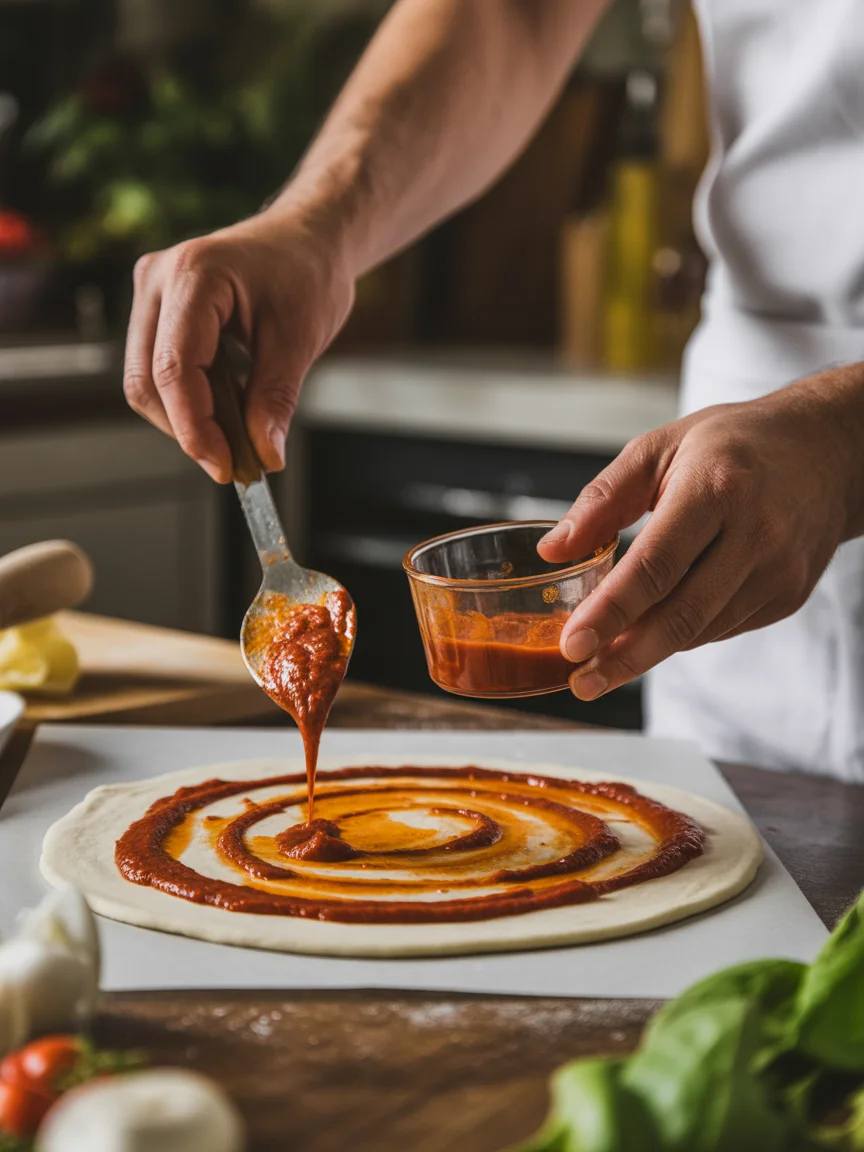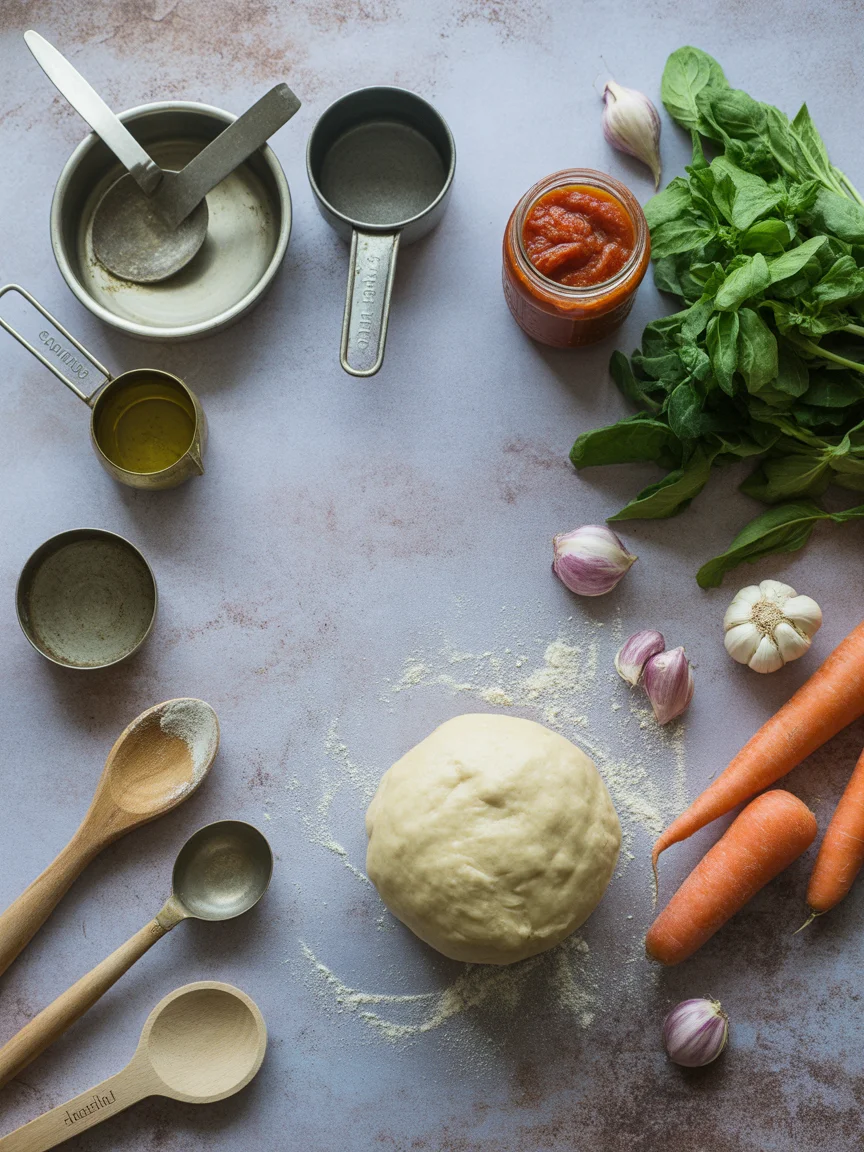
Delicious Cauliflower Pizza Crust You Can Easily Make at Home

Crispy cauliflower pizza crust topped with cheese, tomatoes, and herbs.

Cauliflower pizza crust is my new weeknight obsession, but I know what you’re probably thinking. Is this really pizza? Trust me, if you’ve ever stood in your kitchen, holding that sad, soggy store-bought crust and wondering how on earth people make it crisp, you’re not alone (been there, got the T-shirt). Making it yourself, though, is surprisingly easy once you get the basics down. Stick with me while I walk you through everything: how to choose cauliflower, the steps that actually work, and all the tasty twists you can try. It’s actually easier than you’d think and perfect for anyone who wants pizza on a weeknight without the post-pizza nap. For more healthy twists, check out my cauliflower fried rice recipe—a true midweek lifesaver.
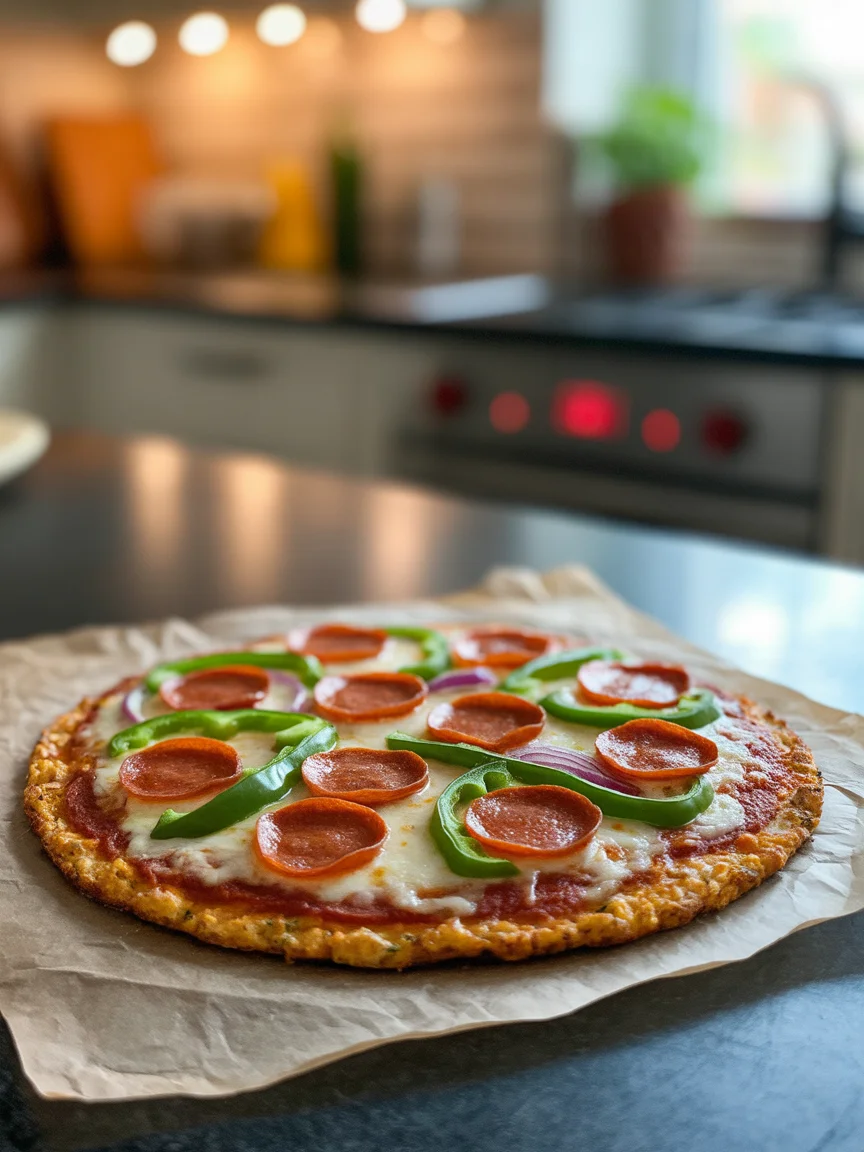
Delicious Cauliflower Pizza Crust You Can Easily Make at Home

What Is the Best Cauliflower to Use?

Picking the right cauliflower matters. Here’s the deal: freshness is king. I always look for heads that feel heavy and tight, not those funky, wilted ones hanging around in the back of the bin. Color? Stick with white. Those deep purple or green varieties are cool for salad but honestly, with pizza, you want classic white for a neutral flavor.
Bagged pre-riced cauliflower from the store is tempting, but only use it if you have zero patience for chopping. I swear, freshly grated at home tastes better and feels crispier. Oh – organic or regular? No life-or-death difference in taste. Use what’s easiest on your wallet.

I tried making cauliflower pizza crust with purple cauliflower once—my nephew called it “alien pizza” and refused a single bite.
Delicious Cauliflower Pizza Crust You Can Easily Make at Home

How to Cook Each Type of Cauliflower

OK, so you picked your head of cauliflower (or grabbed a bag of riced if it’s a Monday and you’re tired). Now what?
First off, don’t skip microwaving or steaming your cauliflower. Raw just won’t work. You want to cook it just enough so it gets soft but not mushy.
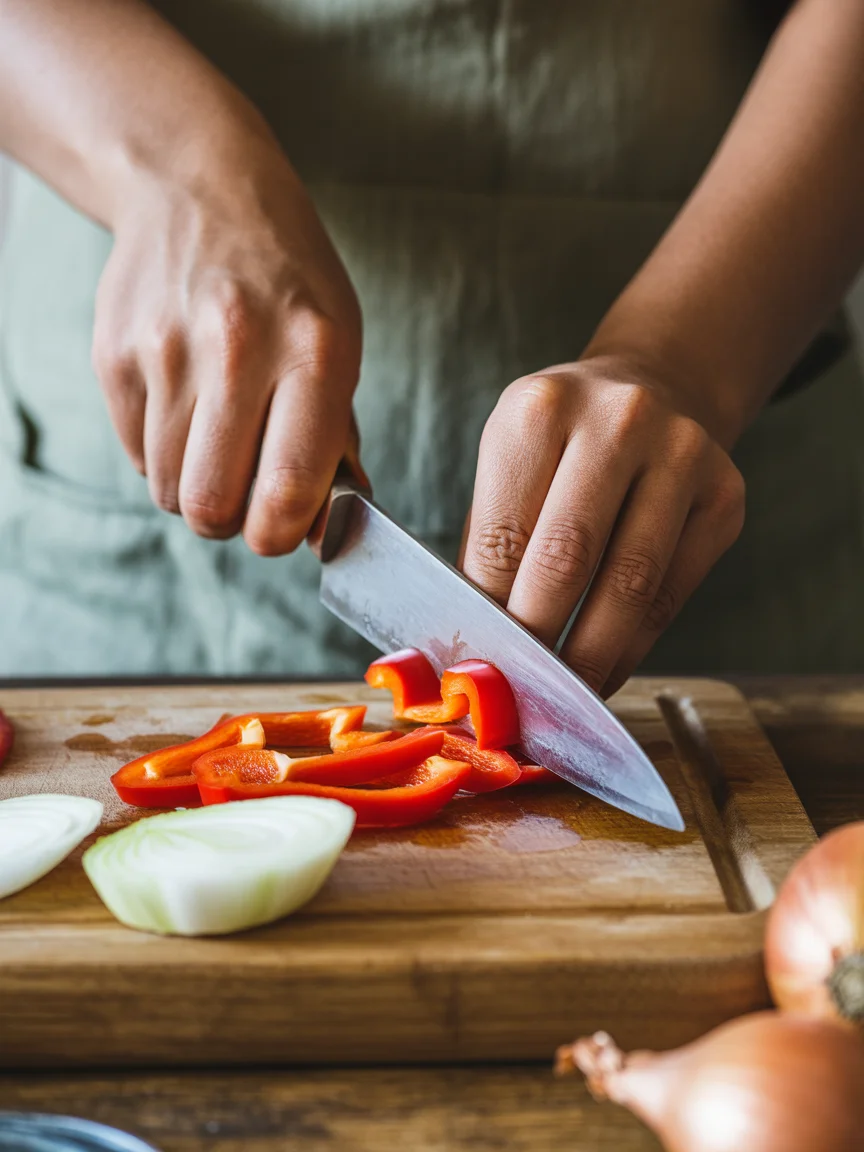
For heads, chop into florets, pulse in the food processor a bit so it looks like rice. Five minutes in the microwave usually does the trick. Let it cool or your hands will regret it. Then squeeze out the extra water—seriously, as much as you can.
Pre-riced? Even easier—same process, but skip the food processor. If you don’t drain all that water, the pizza crust will end up floppy and a little sad.
A weirdly helpful note: using a clean kitchen towel is better than paper towels for squeezing. You’ll thank me.
cauliflower pizza crust

Toppings Ideas for Cauliflower Pizza Crust

This is where you can go absolutely wild, honestly. There’s no “right” way to top a cauliflower pizza crust, but I’ll toss out some of my crowd-pleasers.
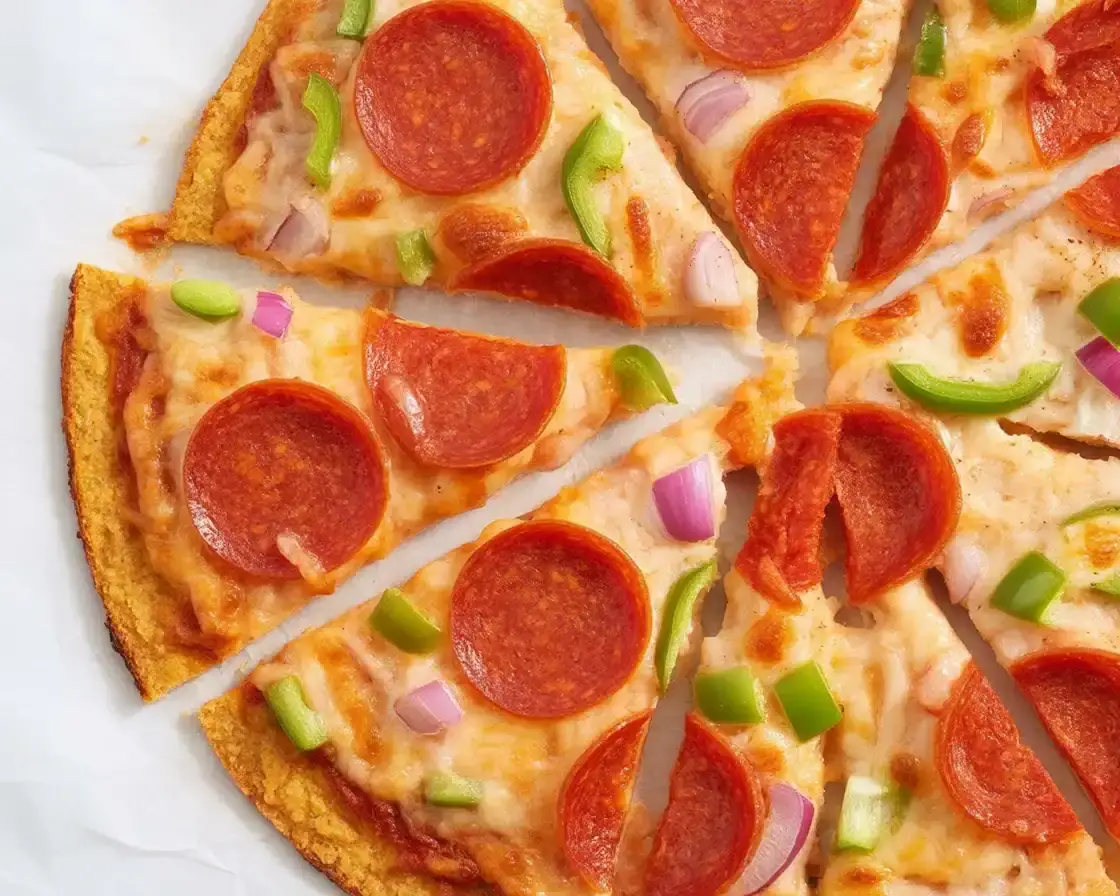
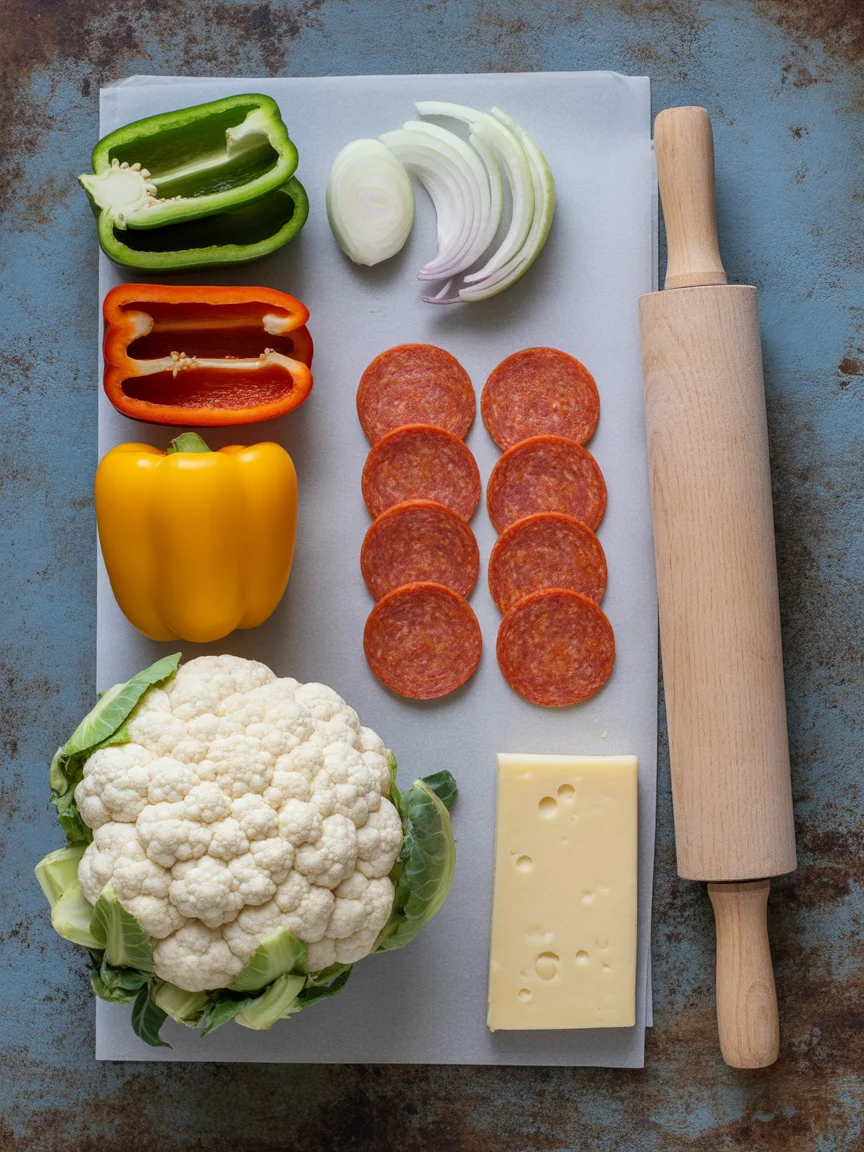
Start classic: mozzarella, tomato sauce, maybe some pepperoni (my brother’s favorite).
Feeling bold? Goat cheese, arugula, and roasted red peppers are epic together.
Kids in the house? Tiny meatballs or just plain cheese works wonders.
Vegetarian night? Pile on mushrooms, onions, and maybe a little pesto if you’re feeling fancy.
Don’t go super heavy with sauce. Cauliflower crusts love less moisture.

“I was totally shocked how crispy the edges came out. Even my picky five-year-old asked for seconds! New family go-to.” — Renee B.

Tips for Best Results

Let’s get real about what makes cauliflower pizza crust work (or.. totally flops it). If you want the crispiness, these are musts:
First, squeeze out every bit of moisture. Seriously, keep squeezing till your arms are tired. This changes everything.
Mix in one egg for binding, a small handful of shredded cheese (parmesan is delightfully salty), plus salt and pepper. I always throw in a dash of garlic powder.
Bake on parchment paper. Nothing sticks, crust gets golden. Bake first, add toppings second, then bake again. Don’t skip this double-bake step or the crust just isn’t the same.
If your crust breaks? No worries. Call it “rustic flatbread” and act mysterious.

How to Freeze It

Good news—cauliflower pizza crust freezes like a dream. If you want to make a batch ahead and save yourself some weekday work, here’s how I do it:
Let the crust cool completely after baking (don’t top it yet!).
Wrap with plastic wrap, then foil.
Toss in the freezer.
To eat later, thaw in the fridge, bake a few minutes just to crisp up, then top and bake as normal.
Frozen crusts are often even easier to crisp than fresh-made. I love pulling one out for instant “homemade” pizza night.
Serving Suggestions:

  • Top with leftover roasted veggies from the night before.
  • Try BBQ sauce and grilled chicken for a change.
  • Serve in wedges with a salad—you’ll hardly miss regular dough.
  • Drizzle with a little olive oil before throwing on cheese, it takes it up a notch.

Common Questions

Q: Does cauliflower pizza crust actually taste like pizza?
A: Kinda! It’s got a nutty vibe, but with cheese and sauce on top most people forget it’s made from a veggie.

Q: Is this good for low-carb diets?
A: For sure! Cauliflower pizza crust is my backup carb-saver when I’m cutting back.

Q: Can I make it vegan?
A: Yep! Just swap the egg for a flaxseed egg and skip cheese in the mix. Still holds up pretty well.

Q: Why is my crust falling apart?
A: Too much moisture or not enough binder. Squeeze the cauliflower and don’t skip the egg.

Q: Can I use frozen cauliflower?
A: Absolutely. Thaw it, wring out that water, and proceed as normal.

Your New Favorite Pizza Night

By now, you probably know way more about cauliflower pizza crust than you ever wanted to. And hey, if I convinced you to put down the store-bought version and try it yourself, I count that as a win. It’s easy, flexible, perfect for picky eaters, and honestly, way better than people expect. If you want even more tricks to nail it every time, check out this great guide on How to Make Cauliflower Pizza Crust over at Detoxinista, or browse creative spins at Foolproof Cauliflower Pizza Crust from iFoodReal.com. And when you’re ready to get next-level, don’t miss the Best Cauliflower Pizza Crust Recipe by Delish for wild topping ideas. Promise, you’ll never look at sad frozen pizzas the same way again. Give homemade a shot and let me know what wild combo you end up loving!

Cauliflower Pizza Crust

A healthy, easy-to-make alternative to traditional pizza crust using cauliflower, perfect for weeknight dinners.

Main Ingredients

  • 1 head Cauliflower, medium-sized (Use classic white for best flavor.)
  • 1 large Egg (For binding.)
  • 1/2 cup Shredded cheese (Parmesan recommended for its salty flavor.)
  • 1 tsp Salt
  • 1/2 tsp Pepper
  • 1 tsp Garlic powder (Optional, for added flavor.)

Cooking Materials

  • 1 sheet Parchment paper (To prevent sticking.)

Preparation

  1. Preheat oven to 400°F (200°C).
  2. Chop the cauliflower into florets and pulse in a food processor until it resembles rice.
  3. Microwave the riced cauliflower for 5 minutes until soft. Let it cool.
  4. Squeeze out excess moisture using a clean kitchen towel.

Mixing

  1. In a bowl, mix the squeezed cauliflower with egg, shredded cheese, salt, pepper, and garlic powder until well combined.

Baking

  1. Spread the mixture onto a lined baking sheet into a circle, about 1/4 inch thick.
  2. Bake for 20 minutes until golden and crisp.

Finishing Touches

  1. Remove from oven, add desired toppings, and bake for an additional 5-10 minutes.

For best results, avoid adding too much moisture from toppings. Crust can be frozen after baking and cooling; wrap in plastic and foil.
Dinner, Main Course
Healthy, Italian
Cauliflower Pizza Crust, Healthy Pizza, Low-Carb Recipe, Vegetable Crust, Weeknight Dinner

Mouthwatering Vegan Keto Pizza You’ll Love!

Delicious Vegan Keto Pizza with a crispy coconut flour crust topped with fresh ingredients.

Ever get that midnight craving for pizza, then realize ugh, vegan keto pizza is basically a unicorn? Like, I swear, the crust is always the hardest part for me. Either it falls apart or tastes… let’s be real, like cardboard. If you’ve ever tried to hunt for a plant-based, low-carb recipe and ended up frustrated, you’re not alone. But I finally cracked the code to a crust that is both crispy and actually delicious. By the way, if you love easy low-carb recipes, you should really check out these air fryer spaghetti squash ideas for a perfect keto side dish.
Mouthwatering Vegan Keto Pizza You’ll Love!

Ingredients and Substitutions

Before you even think about throwing flour in a bowl (wait, is almond flour even flour?), let’s break down what you’ll need. You want stuff that binds but still gives that chewy, pizza-y vibe. I use:

  • Almond flour. The star of any vegan keto pizza, trust me. You can try sunflower seed flour if you’re allergic or just feeling adventurous.
  • Psyllium husk. Wild stuff—helps hold the whole shebang together. Flaxseed meal can sorta work in its place but it’s not as magic.
  • Coconut flour for a hint of sweetness but not, like, weird cake sweetness. Totally optional.
  • Olive oil, just a splash for moisture. Avocado oil? Go for it, but you might miss a bit of that classic pizza taste.
  • Hot water to pull it all into a dough. Has to be hot or things get kinda lumpy.
  • Baking powder and a pinch of salt. Classic, nothing wild here.

Can you skip or sub? Mostly, yes. Just don’t drop the psyllium or it could get super crumbly.

I’ve struggled with soggy keto crusts, but this one was sturdy enough to actually hold toppings—no fork required! — Emma R.

vegan keto pizza

How To Make Vegan Keto Pizza Crust

Okay, so after batch-testing about eight hundred times (give or take), here’s what finally worked. Throw your dry stuff—almond flour, psyllium, (optional coconut flour), baking powder, and salt—together in a big ol’ bowl. Mix with a fork, nothing fancy.

Now add your oil, and pour in the hot water—slowly. It will look worryingly wet at first. Give it a minute for the psyllium to work its, I don’t know, witchcraft. Start kneading gently with your hands. Knead until you get a ball you can pick up without it sticking everywhere.

Roll it out between parchment (otherwise, chaos) and shape into your pizza base. I like mine pretty thin for max crispiness. Bake at 400°F until you see golden edges and it smells like “real” crust. That’s it, you’re a keto wizard now.

If it cracks at the edge, patch it back or squish it in a bit. Don’t stress—imperfections just make it more rustic, y’know?
vegan keto pizza

Troubleshooting Common Issues

Alright, so first attempt didn’t go as planned? We’ve all been there. Crust too dry? Probably too much coconut flour or not enough water—add a bit more water and knead again. If it falls apart as you lift it, you either skipped the psyllium (don’t do that!) or your dough wasn’t rested. Let it sit a few minutes, trust me.

Is it too thick and gummy inside? Flatten more next time. Or, lower oven rack and bake a few extra minutes. Maybe try thinner edges and a fork poke before baking. If it weirdly turns purple (yes, this happens with some psyllium brands), don’t panic. It’s still safe, just swap brands next time. Honestly, perfection is overrated.

Topping Suggestions

Okay, now the fun part—dressing up this vegan keto pizza shell. I go bonkers sometimes, but here goes:

  • Homemade tomato sauce (or pesto if you’re extra fancy)
  • Vegan cheese (shreds or creamy blobs)
  • Roasted peppers, mushrooms, chopped spinach—literally raid your veggie drawer
  • Sprinkle with olives, capers, or artichokes for that “I eat at five-star spots” flavor
    Sure, you can toss tofu or tempeh for extra protein, or stick with plain if you’re more of a minimalist. Sometimes, I brush the edge with a little garlic oil because, well, garlic. If you want more dinner ideas, peek at this epic dinner keto collection.

Storage Instructions

Here’s the deal: this vegan keto pizza holds up pretty well. If you don’t devour it all (rare, but it happens), let it cool. Wrap tight in foil, pop in the fridge, and it’ll keep for three days, easy. Getting soggy? Reheat on a dry skillet or right in the oven to crisp it back up. If you made extra crust, you can even freeze it flat, parchment in between. Just thaw and top when a pizza craving hits (it hits often, trust me).

Common Questions

Can I make the crust ahead and freeze it?

Absolutely. Wrap it up and freeze before topping. Thaw, then top and bake as usual.

Can I skip the psyllium husk?

Not really. That’s what keeps it from falling apart. Without it, you’ll just have pizza-flavored mush, honestly.

Is almond meal the same as almond flour?

Close, but not quite. Almond flour is finer and works better for an even base.

What’s the best way to reheat vegan keto pizza?

Pop it in a hot oven or a dry skillet, never microwave, unless you like sad, floppy pizza.

Any good substitutions for coconut flour?

Yes! You can use a little extra almond flour instead, but lower the liquid just a bit.

Give This Pizza a Go Tonight!

Seriously, don’t talk yourself out of making this. This vegan keto pizza is easy, foolproof, and totally hits that savory, cheesy craving. Folks are obsessed with this Vegan Keto Pizza Crust – Mary’s Test Kitchen if you want another take, or for something a bit different, the Coconut Flour Pizza Crust (Vegan, Keto) – Sweet As Honey is worth checking out. I’ve also seen a bunch of great real-life tips in this Reddit thread about successful vegan keto pizza crust if you want some conversation and success stories. Try it, taste it, then let me know if you’re also surprised at how awesome it is. Who knew vegan keto pizza could be actual comfort food?

Vegan Keto Pizza Crust

A delicious and crispy vegan keto pizza crust that’s easy to make and holds toppings well.

For the crust

  • 1 cup Almond flour (The star ingredient for a vegan keto pizza.)
  • 2 tablespoons Psyllium husk (Helps bind the dough together.)
  • 1/4 cup Coconut flour (Optional ingredient that adds a hint of sweetness.)
  • 2 tablespoons Olive oil (For moisture; avocado oil can be used as a substitute.)
  • 1 cup Hot water (Must be hot to avoid lumpy dough.)
  • 1 teaspoon Baking powder (To help the crust rise.)
  • 1 teaspoon Salt (Basic seasoning for flavor.)

Preparation

  1. In a large bowl, mix together almond flour, psyllium husk, coconut flour (if using), baking powder, and salt.
  2. Add the olive oil and pour in the hot water slowly.
  3. Mix with a fork until combined and let sit for a minute for the psyllium to activate.
  4. Knead gently with your hands until a cohesive dough forms.
  5. Roll out the dough between parchment paper to shape into a pizza base.
  6. Preheat the oven to 400°F (200°C).
  7. Bake the crust until it has golden edges and a pleasant aroma.

Let cool before storing. Wrap in foil and refrigerate for up to three days. Reheat in a dry skillet or oven for best results.

Main Course, Snack
Keto, Vegan
Healthy Pizza, Keto Crust, Low-Carb Pizza, Vegan Keto Pizza, Vegan Pizza Crust