creamy tuscan chicken soup

Warm, comforting, and brimming with rich flavors, this creamy Tuscan chicken breast soup is a hearty dish that brings the rustic charm of Tuscany to your kitchen. Combining tender chunks of chicken breast with a velvety base of chicken broth and heavy cream, this soup recipe strikes the perfect balance between indulgence and simplicity. Infused with aromatic garlic, sun-dried tomatoes, and earthy spinach, each spoonful delivers a taste of Mediterranean-inspired comfort.

A bowl of creamy Tuscan chicken soup with tender chicken, sun-dried tomatoes, spinach, and a rich, garlic-infused broth.

Whether you’re seeking a cozy weeknight meal or a crowd-pleasing starter, this guide will help you create a luscious, creamy soup that’s sure to become a favorite. Let’s dive in!

Ingredients:

You’ll need just a handful of wholesome ingredients to create this rich, comforting soup. Exact measurements are in the recipe card below! Here’s what to grab:

Shredded chicken: Pre-cooked and shredded for convenience! Use homemade (try my easy crockpot method linked below) or grab a rotisserie chicken.

Sun-dried tomatoes: Oil-packed for maximum flavor! Reserve 1 tablespoon of their savory oil to sauté the veggies.

Veggies: Fresh spinach, diced cauliflower florets, minced garlic, and chopped onion—a nutrient-packed combo!

Chicken broth: Forms the savory base. Low-sodium lets you control the salt.

Heavy cream: Adds luxurious creaminess and helps thicken the soup naturally.

Seasonings: Italian seasoning blend, kosher salt, and black pepper. Top with fresh basil and shaved Parmesan for serving!

Step-by-Step:

Sauté the Aromatics

Heat 1 tablespoon of reserved oil from the sun-dried tomatoes in a large pot over medium heat. Add the diced onion and sauté until softened, about 3-4 minutes. Stir in the chopped sun-dried tomatoes and minced garlic, cooking for 1-2 minutes until fragrant.

Simmer the Soup

Pour in the chicken broth, then add the shredded chicken, cauliflower florets, Italian seasoning, salt, and pepper. Stir to combine. Cover the pot and simmer on medium-low heat for 10-12 minutes, or until the cauliflower is fork-tender.

Finish with Cream & Greens

Reduce the heat to low. Stir in the heavy cream and fresh spinach, cooking just until the spinach wilts and the soup is creamy, about 2-3 minutes. Taste and adjust seasoning if needed.

Serve

Ladle the soup into bowls and garnish with fresh chopped basil and shaved Parmesan cheese. For extra zest, add a sprinkle of red pepper flakes or a drizzle of the sun-dried tomato oil.

Pro Tips

Don’t overcook the spinach—it should stay vibrant green.
For a thicker texture, mash a few cauliflower pieces with a fork before adding the cream.
Prep ahead: Shred the chicken and chop veggies in advance for quicker assembly!
Storage Instructions

To keep your chicken breast creamy Tuscan soup fresh, store leftovers in an airtight container in the refrigerator for up to 3-4 days. The combination of chicken broth and heavy cream can cause slight separation when reheated, so gently warm it on the stovetop over low heat, stirring occasionally to restore its velvety texture.

For longer storage, freeze portions in freezer-safe containers (without garnishes like Parmesan) for up to 2 months. Thaw overnight in the fridge before reheating.

Note that dairy-based soups may thicken slightly when chilled—add a splash of broth or water while reheating to adjust consistency. This soup recipe retains its rich flavors beautifully, making meal prep a breeze!

Tips for Achieving Maximum Flavor

For a deeply flavorful chicken breast creamy Tuscan soup, start by browning the chicken breast in olive oil—this caramelization adds rich, savory notes. Sauté garlic and onions in the reserved oil from sun-dried tomatoes to infuse the base with their tangy sweetness.

Simmer the soup recipe gently after adding chicken broth to meld the ingredients, and stir in the heavy cream off the heat to prevent curdling while maintaining its silky texture. Finish with a sprinkle of fresh herbs like basil or thyme, and a squeeze of lemon juice to brighten the dish. Let the soup rest for 10 minutes before serving—this allows the flavors to deepen and harmonize beautifully!

FAQ

How long can I store leftover creamy Tuscan chicken breast soup?

Store the soup in an airtight container in the refrigerator for up to 4 or 5 days. Reheat gently on the stovetop or in the microwave, stirring occasionally to maintain the creamy texture from the heavy cream and chicken broth.

Can I freeze this Tuscan chicken soup recipe?

Yes! Freeze portions in freezer-safe bags or containers for up to 3 months. Thaw overnight in the fridge before reheating. Note: The cauliflower may soften slightly after thawing, but the rich flavors of the chicken broth and seasonings will remain intact. For best results, add a splash of broth when reheating to refresh the consistency.

creamy tuscan chicken soup

  • 2 cups shredded cooked chicken breast (rotisserie or homemade)
  • 1/2 cup oil-packed sun-dried tomatoes (drained (reserve 1 tbsp oil) + chopped)
  • 1 medium onion (diced (about 1 cup))
  • 4 garlic cloves (minced)
  • 4 cups low-sodium chicken broth
  • 1 cup cauliflower florets (chopped into bite-sized pieces)
  • 1 tsp Italian seasoning
  • 1/2 tsp kosher salt (or to taste)
  • 1/4 tsp black pepper
  • 1 1/2 cups fresh spinach (packed)
  • 1/2 cup heavy cream
  • 1/4 cup fresh basil (chopped (for garnish))
  • 1/4 cup shaved Parmesan cheese (for serving)
  1. Sauté Aromatics:
  2. Heat the reserved 1 tbsp sun-dried tomato oil in a large pot over medium heat. Add the diced onion and sauté for 3-4 minutes until softened. Stir in the minced garlic and chopped sun-dried tomatoes; cook for 1-2 minutes until fragrant.
  3. Build the Soup Base:
  4. Pour in the chicken broth, then add the shredded chicken, cauliflower florets, Italian seasoning, salt, and pepper. Stir to combine. Bring to a gentle boil, then reduce heat to low, cover, and simmer for 10-12 minutes until the cauliflower is tender.
  5. Add Cream & Spinach:
  6. Reduce heat to low. Stir in the heavy cream and fresh spinach. Cook for 2-3 minutes, stirring occasionally, until the spinach wilts and the soup is creamy. Taste and adjust salt/pepper if needed.
  7. Serve:
  8. Ladle into bowls and garnish with fresh basil and shaved Parmesan. For extra richness, drizzle with a bit of sun-dried tomato oil from the jar.
Soup
American

Keto Stuffed Cabbage

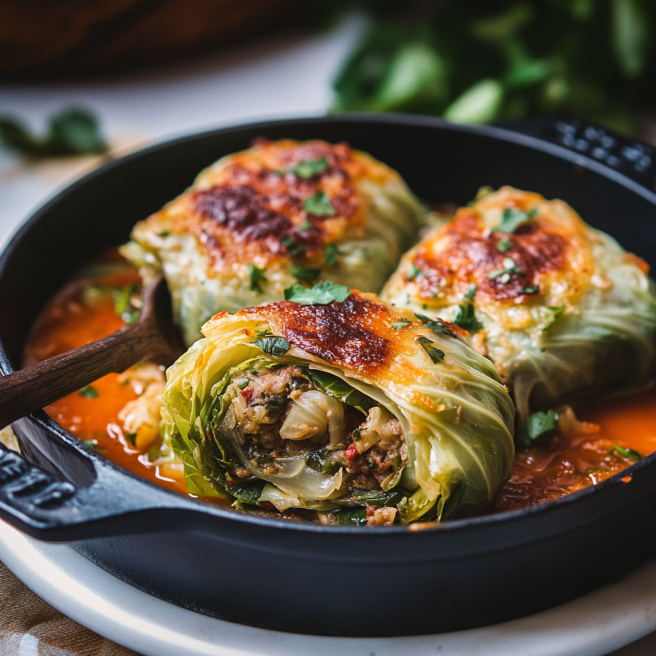
Looking for a comforting, low-carb take on a classic favorite? Keto Stuffed Cabbage offers a modern, time-saving twist on traditional stuffed cabbage rolls. Tender cabbage leaves are filled with flavorful seasoned ground beef, then simmered in a rich tomato sauce and perfectly cooked in the Instant Pot. Plus, it’s dairy-free, nut-free, and fits seamlessly into Whole30 and SCKC lifestyles!

Inspired by cherished memories of Polish Golumpki, this recipe skips the hours of prep: a quick microwave steam softens the cabbage, and the Instant Pot locks in bold flavors in under an hour. Whether you’re keto-curious or simply craving a hearty, guilt-free meal, these rolls deliver nostalgia and convenience in every bite—no dairy required!

Ingredients

For the Tomato Sauce:

1 (14-ounce) can unsweetened diced tomatoes (no added sugars)

¼ cup extra-virgin olive oil

1 tablespoon apple cider vinegar (for tangy brightness)

1 teaspoon garlic powder

1 teaspoon onion powder

1 teaspoon dried oregano

½ teaspoon red pepper flakes (adjust for heat preference)

• Kosher salt and freshly ground black pepper (to taste)

For the Dairy-Free Stuffed Cabbage Rolls:

12 large cabbage leaves (steamed until pliable)

1 pound ground beef (80/20 blend for moisture)

¾ pound ground pork (or substitute with more beef)

1 cup riced cauliflower (fresh or frozen, for low-carb texture)

3 green onions, thinly sliced (both white and green parts)

¼ cup fresh parsley, finely chopped (plus extra for garnish)

Freshly ground black pepper (to season the filling)

Step-by-Step Directions

For the Tomato Sauce:

Blend the Sauce Base: In a blender, combine the diced tomatoes, apple cider vinegar, red pepper flakes, onion powder, garlic powder, and oregano. Pulse until smooth. Season generously with salt and pepper.
Simmer to Develop Flavor: Heat olive oil in a deep skillet or pot over medium heat. Pour in the blended tomato mixture, bring to a gentle simmer, then reduce heat to medium-low. Cook uncovered for 20 minutes, stirring occasionally, until the sauce thickens slightly.

For the Cabbage Rolls:

Prepare the Cabbage Leaves: Bring a large pot of water to a boil. Blanch cabbage leaves for 1 minute until pliable (or microwave leaves with ¼ cup water for 2-3 minutes in a covered dish). Drain and set aside.
Mix the Filling: In a bowl, combine ground beef, ground pork, riced cauliflower, green onions, parsley, ½ cup of the prepared tomato sauce, and a pinch of salt and pepper. Mix until evenly incorporated.

Assemble the Rolls:

Trim the thick rib from each cabbage leaf with a knife.
Place ⅓ cup of filling near the base of a leaf. Fold the sides inward, then roll tightly from the bottom to enclose the filling.
Spread a thin layer of tomato sauce in the bottom of a large baking dish. Arrange rolls seam-side down over the sauce.
Bake: Pour the remaining sauce over the rolls. Cover the dish with foil and bake at 375°F for 45–55 minutes, or until the internal temperature of the filling reaches 160°F (the safe minimum for ground meat).
Serve: Garnish with fresh parsley and serve warm.
Storage Instructions:

To preserve your dairy-free keto stuffed cabbage rolls, refrigerate leftovers in an airtight container with any remaining tomato sauce to lock in moisture and keep the cabbage leaves tender. Consume within 3–4 days for optimal freshness.

When reheating, warm gently in the oven or microwave, adding a splash of water or extra tomato sauce to refresh the texture of the cabbage leaves.

Ensure the ground beef filling reaches an internal temperature of 165°F for safety. Avoid prolonged refrigeration, as the cabbage may soften slightly over time—serve promptly for the best texture and flavor.

Tips for Achieving Maximum Flavor:

Elevate your dairy-free keto stuffed cabbage rolls by layering bold, savory notes. Start by thoroughly browning the ground beef and pork mixture—this creates a rich, caramelized base for the filling.

Infuse the tomato sauce with depth by toasting the dried spices (oregano, garlic powder, red pepper flakes) in olive oil before blending, unlocking their aromatic oils. For brightness, stir a splash of apple cider vinegar into the sauce just before simmering.

Opt for fresh parsley and green onions in the filling to add herbaceous freshness that balances the hearty meat. Finally, let the assembled rolls rest in the sauce for 10 minutes post-baking; this allows the cabbage leaves to absorb the tangy tomato essence, ensuring every bite is bursting with flavor.

FAQ:

Can I swap ground pork for another meat?

Absolutely—ground turkey or chicken works well for a leaner option.

the cabbage leaves tough to handle?

Briefly steaming or microwaving them softens the leaves for easy rolling.

How do I keep the rolls from falling apart?

Trim the thick rib from each cabbage leaf and avoid overstuffing—⅓ cup of filling per leaf is ideal.

Can I make these ahead?

Yes! Assemble rolls and sauce separately, then refrigerate and bake just before serving.

Is the tomato sauce keto-approved?

Ensure your diced tomatoes have no added sugars, and adjust seasoning to taste. For more tips, refer to the full recipe above!

Keto Stuffed Cabbage

For the Tomato Sauce:

  • 1 14-ounce can unsweetened diced tomatoes (no added sugars)
  • ¼ cup extra-virgin olive oil
  • 1 tablespoon apple cider vinegar (for tangy brightness)
  • 1 teaspoon garlic powder
  • 1 teaspoon onion powder
  • 1 teaspoon dried oregano
  • ½ teaspoon red pepper flakes (adjust for heat preference)
  • Kosher salt and freshly ground black pepper (to taste)

For the Dairy-Free Stuffed Cabbage Rolls:

  • 12 large cabbage leaves (steamed until pliable)
  • 1 pound ground beef (80/20 blend for moisture)
  • ¾ pound ground pork (or substitute with more beef)
  • 1 cup riced cauliflower (fresh or frozen, for low-carb texture)
  • 3 green onions (thinly sliced (both white and green parts))
  • ¼ cup fresh parsley (finely chopped (plus extra for garnish))
  • Freshly ground black pepper (to season the filling)

For the Tomato Sauce:

  1. Blend the Sauce Base: In a blender, combine the diced tomatoes, apple cider vinegar, red pepper flakes, onion powder, garlic powder, and oregano. Pulse until smooth. Season generously with salt and pepper.
  2. Simmer to Develop Flavor: Heat olive oil in a deep skillet or pot over medium heat. Pour in the blended tomato mixture, bring to a gentle simmer, then reduce heat to medium-low. Cook uncovered for 20 minutes, stirring occasionally, until the sauce thickens slightly

For the Cabbage Rolls:

  1. Prepare the Cabbage Leaves: Bring a large pot of water to a boil. Blanch cabbage leaves for 1 minute until pliable (or microwave leaves with ¼ cup water for 2-3 minutes in a covered dish). Drain and set aside.
  2. Mix the Filling: In a bowl, combine ground beef, ground pork, riced cauliflower, green onions, parsley, ½ cup of the prepared tomato sauce, and a pinch of salt and pepper. Mix until evenly incorporated.
  3. Assemble the Rolls:
  4. Trim the thick rib from each cabbage leaf with a knife.
  5. Place ⅓ cup of filling near the base of a leaf. Fold the sides inward, then roll tightly from the bottom to enclose the filling.
  6. Spread a thin layer of tomato sauce in the bottom of a large baking dish. Arrange rolls seam-side down over the sauce.
  7. Bake: Pour the remaining sauce over the rolls. Cover the dish with foil and bake at 375°F for 45–55 minutes, or until the internal temperature of the filling reaches 160°F (the safe minimum for ground meat).
  8. Serve: Garnish with fresh parsley and serve warm.
Main Course
American

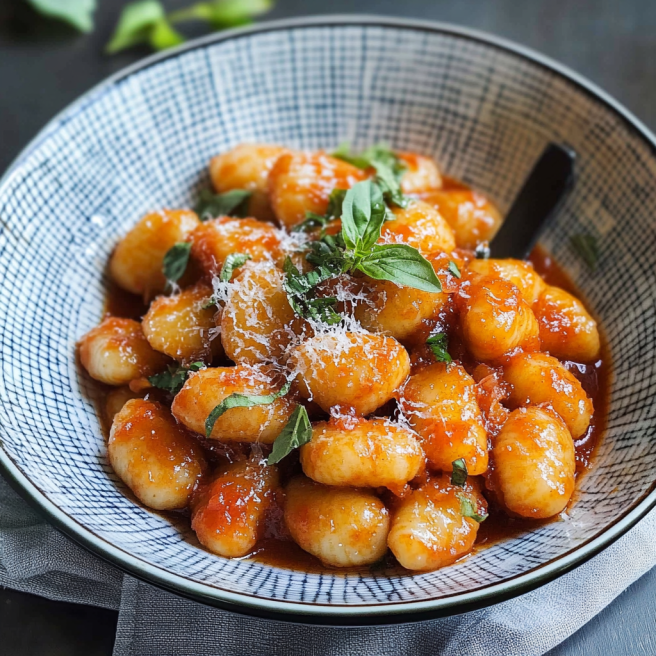
Keto gnocchi

Hungry for the comforting chew of gnocchi while staying keto? This recipe reimagines the Italian classic with a low-carb twist, combining just five ingredients for dough that’s both tender and satisfying.

By melting mozzarella cheese in a microwave-safe bowl and blending it with almond flour, you’ll create a pliable gnocchi dough that’s surprisingly authentic. A touch of olive oil adds richness while ensuring a golden exterior.

At only 3 grams of net carbs per serving, these pillowy bites are accidentally gluten-free and proof that keto-friendly meals don’t skimp on flavor or texture. Swap potatoes for this clever alternative—your taste buds won’t know the difference!

Ingredients for Keto gnocchi :

  • ⅓ cup riced cauliflower– Fresh or store-bought, raw and patted very dry (excess moisture ruins the dough!).
  • ½ large egg yolk– Crack a yolk into a bowl, whisk lightly, and use half (freeze the rest for later!).
  • 1 tbsp + 1 tsp freshly grated parmesan– Skip the shelf-stable stuff; fresh grating melts better.
  • 2 tbsp blanched almond flour– Not almond meal (it’s too gritty for single-serving dough!).
  • 2 tbsp shredded mozzarella– Low-moisture works best (no pre-shredded—it has starches!).

Step-by-Step Directions:

Prep Cauliflower:

o  Place ⅓ cup riced cauliflower in a microwave-safe bowl. Microwave for 2 minutes. Drain, then wrap in a clean kitchen towel and squeeze firmly to remove all excess moisture.

Melt Cheese:

o  In another microwave-safe bowl, add 2 tbsp mozzarella cheese. Microwave in 20-second bursts until melted.

Mix Dough:

o  Combine the squeezed cauliflower, melted mozzarella, ½ egg yolk, 1 tbsp + 1 tsp parmesan, and 2 tbsp almond flour in a bowl. Stir until a sticky dough forms.

Chill Dough:

o  Wet your hands lightly, then shape the dough into 1–2 small balls. Place on a plate, cover, and refrigerate for 10 minutes to firm up.

Shape Gnocchi:

o  Roll each dough ball into a thin rope (about ½-inch thick) on a surface dusted with almond flour. Slice into ½-inch pieces. Press each gently with a fork to create ridges.

Rest Gnocchi:

o  Arrange shaped gnocchi on a parchment-lined tray. Refrigerate uncovered for 15–20 minutes (this prevents sticking).

Cook:

o  Bring a pot of salted water to a boil. Drop in gnocchi and cook for 60–90 seconds (they’ll float when done). Drain immediately.

Serve:

o  Toss with olive oil, keto-friendly pesto, or marinara. Optional: Pan-fry in olive oil for 1–2 minutes for a crispy finish.

Storage Instructions:

To store uncooked gnocchi dough, wrap it tightly in plastic and refrigerate for up to 2 days or freeze for 1 month. Cooked gnocchi should be cooled completely, then arranged in a single layer on a parchment-lined plate or microwave-safe bowl (covered) and refrigerated for up to 3 days.

For freezing, spread cooked gnocchi on a baking sheet until solid, transfer to a freezer-safe bag, and store for up to 6 months.

Reheat leftovers in a skillet with a drizzle of olive oil over medium heat—avoid microwaving, as the almond flour-based dough may turn rubbery. This method preserves the delicate texture of the mozzarella cheese and ensures evenly warmed, pillowy gnocchi every time.

Tips for Achieving Maximum Flavor:

For tender, flavorful keto gnocchi, patience is key: refrigerate the gnocchi dough twice—first after shaping the balls (10 minutes) and again after cutting (15–20 minutes). This firms up the almond flour base and enhances its pillowy texture.

When boiling, stick to 60–90 seconds max (overcooking softens the delicate mozzarella cheese binder). Cook in small batches to keep water boiling vigorously, ensuring even cooking. If the dough feels crumbly, mix in a teaspoon of water or olive oil to bind it.

For meal prep, store uncooked dough in a microwave-safe bowl (tightly wrapped) for up to two days. Finally, skip the microwave when reheating—pan-fry leftovers in olive oil for a golden, crispy finish that revives the gnocchi’s richness

Frequently Asked Questions:

Can I substitute almond flour with coconut flour?

No—almond flour provides necessary structure and moisture. Coconut flour is too absorbent and will dry out the gnocchi dough.

Why refrigerate the dough twice?

Chilling prevents the mozzarella cheese from softening too quickly, ensuring the dough holds its shape during shaping and cooking.

Can I freeze uncooked gnocchi?

Yes! Freeze them on a tray first, then transfer to a bag. Boil directly from frozen, adding 15–30 seconds to the cook time.

Why avoid microwaving leftovers?

Microwaving can make the almond flour base gummy. Reheat in a skillet with olive oil for crisp edges and even warmth.

Is this recipe dairy-free?

Not as written—swap mozzarella cheese for vegan melty cheese and omit parmesan for a dairy-free version.

Keto gnocchi

  • · ⅓ cup riced cauliflower – Fresh or store-bought (raw and patted very dry (excess moisture ruins the dough!).)
  • · ½ large egg yolk – Crack a yolk into a bowl (whisk lightly, and use half (freeze the rest for later!).)
  • · 1 tbsp + 1 tsp freshly grated parmesan – Skip the shelf-stable stuff; fresh grating melts better.
  • · 2 tbsp blanched almond flour – Not almond meal (it’s too gritty for single-serving dough!.)
  • · 2 tbsp shredded mozzarella – Low-moisture works best (no pre-shredded—it has starches!.)
  1. Prep Cauliflower:

  2. o Place ⅓ cup riced cauliflower in a microwave-safe bowl. Microwave for 2 minutes. Drain, then wrap in a clean kitchen towel and squeeze firmly to remove all excess moisture.
  3. Melt Cheese:

  4. o In another microwave-safe bowl, add 2 tbsp mozzarella cheese. Microwave in 20-second bursts until melted.
  5. Mix Dough:
  6. o Combine the squeezed cauliflower, melted mozzarella, ½ egg yolk, 1 tbsp + 1 tsp parmesan, and 2 tbsp almond flour in a bowl. Stir until a sticky dough forms.
  7. Chill Dough:
  8. o Wet your hands lightly, then shape the dough into 1–2 small balls. Place on a plate, cover, and refrigerate for 10 minutes to firm up.
  9. Shape Gnocchi:
  10. o Roll each dough ball into a thin rope (about ½-inch thick) on a surface dusted with almond flour. Slice into ½-inch pieces. Press each gently with a fork to create ridges.
  11. Rest Gnocchi:
  12. o Arrange shaped gnocchi on a parchment-lined tray. Refrigerate uncovered for 15–20 minutes (this prevents sticking).
  13. Cook:
  14. o Bring a pot of salted water to a boil. Drop in gnocchi and cook for 60–90 seconds (they’ll float when done). Drain immediately.
  15. Serve:
  16. o Toss with olive oil, keto-friendly pesto, or marinara. Optional: Pan-fry in olive oil for 1–2 minutes for a crispy finish.
Main Course
American

Keto Eggplant Parmesan: 5 Essential Tips for Amazing Taste

Discovering the keto diet intrigued and intimidated me. Reducing carbs and increasing fats seemed challenging, but I was eager to try. It wasn’t just about cutting bread and pasta; it was about embracing nourishing whole foods. 

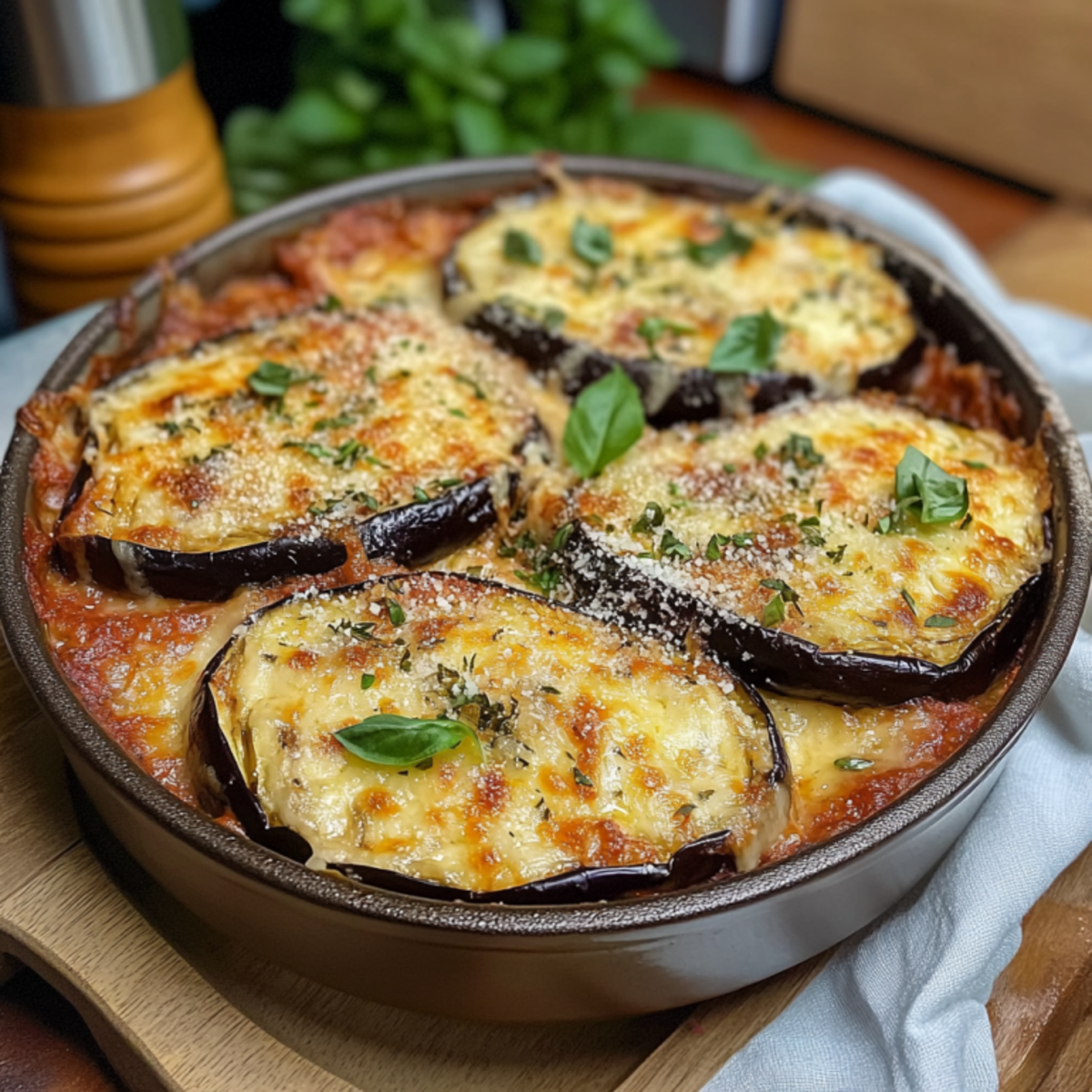
A serving of Keto Eggplant Parmesan topped with melted mozzarella cheese and fresh basil, on a white plate.
Delicious Keto Eggplant Parmesan — a low-carb twist on a classic Italian favorite.


One dish that caught my attention was eggplant parmesan. Traditionally laden with breadcrumbs and pasta sauce, this classic Italian dish seemed like a daunting task to convert into a keto-friendly version.

However, I soon realized that with a few adjustments, I could create a delicious meal that fit perfectly within my new dietary lifestyle. 

Eggplant parmesan is a comforting dish that evokes memories of family gatherings and cozy dinners. The rich flavors of marinara sauce, gooey cheese, and tender eggplant create a symphony of taste that is hard to resist.

By swapping out high-carb ingredients for keto-friendly alternatives, I found a way to enjoy this beloved recipe without straying from my dietary goals. 

The key lies in understanding the principles of the keto diet and how to adapt traditional recipes to fit those principles. With a little creativity and some experimentation, I was ready to embark on my journey to make the perfect keto eggplant parmesan.

Key Takeaways

  • Understanding the Keto Diet and Eggplant Parmesan

  • The keto diet is a low-carb, high-fat diet that can help with weight loss and improve overall health.
  • Eggplant Parmesan is a classic Italian dish that can be made keto-friendly by using low-carb ingredients.
  • Opting for the Ideal Components for Keto Eggplant Parmesan:
  • Opt for almond flour instead of traditional breadcrumbs to keep the dish low in carbs.
  • Opt for full-fat mozzarella and Parmesan for a rich, creamy taste without extra sugars.
  • Eggplant prep and slicing for keto parmesan

  • Slice the eggplant into rounds measuring 1/2 inch in thickness, and apply salt to extract moisture.
  • Let eggplant sit for 30 mins, then rinse and pat dry to remove bitterness.
  • Keto-friendly breading and baking

  • Dip eggplant in eggs, coat with almond flour, Parmesan, and seasoning.
  • Bake eggplant slices until golden and crispy.
  • Layering and Baking the Keto Eggplant Parmesan

  • LLayer marinara, eggplant, and mozzarella in a dish.
  • Layer ingredients, bake until cheese is melted and bubbly.
  • Serving and Enjoying Keto Eggplant Parmesan

  • Let the dish chill out a bit before serving so the flavors can mix together.
  • Top with basil and pair with a salad for a keto meal.


Choosing the Right Ingredients for Keto Eggplant Parmesan 


Fresh and Organic Eggplants

I chose fresh, organic eggplants for better taste and fewer pesticides.I remember the first time I picked up an eggplant at the farmer’s market, its glossy skin and vibrant purple hue were so inviting. I knew I wanted to use two medium-sized eggplants for this recipe, as they would yield enough slices for eight generous servings.

Essential Ingredients

In addition to the eggplants, I gathered other essential ingredients: almond flour for breading, which serves as a low-carb alternative to traditional breadcrumbs,and an abundance of mozzarella cheese to achieve that delightful melted texture we all desire.

I also chose a homemade marinara sauce made from crushed tomatoes, garlic, and fresh basil—no added sugars here!

A Delicious Combination

Keto-friendly ingredients enhance flavor. As I laid everything out on my kitchen counter, I felt a sense of excitement building; I was ready to create something special.

Preparing and Slicing the Eggplant for Keto Eggplant Parmesan


Preparing the eggplant is an essential step in achieving the perfect texture for my keto eggplant parmesan. I remember my first attempt at slicing eggplant; it was a bit of a learning curve!

To start, I washed the eggplants thoroughly and then cut off the tops. 

Next, I sliced them into half-inch thick rounds. This thickness is crucial because it allows the eggplant to cook evenly while still retaining some bite.

 As I sliced through the tender flesh, I could already envision how these rounds would soak up the marinara sauce and meld with the cheese.

Sprinkled salt on eggplant slices, let sit 30 mins. This step is vital as it draws out excess moisture and bitterness from the eggplant.

While waiting, I reminisced about my grandmother’s kitchen, where she would often prepare her famous eggplant dishes. 

The aroma of garlic and herbs would fill the air, making it impossible to resist sneaking bites before dinner was served.

Once the eggplant had released its moisture, I rinsed off the salt and patted each slice dry with paper towels. This preparation ensured that my ketogenic eggplant parmesan would be flavorful and not soggy.

Breading and Baking the Eggplant for Keto Eggplant Parmesan


Step Description
1 Slice the eggplant into 1/2 inch rounds
2 Season the eggplant slices with salt and let them sit for 30 minutes to draw out moisture
3 Pat the eggplant slices dry with paper towels
4 Dip the eggplant slices in beaten eggs
5 Coat the eggplant slices in a mixture of almond flour, grated parmesan cheese, and Italian seasoning
6 Place the coated eggplant slices on a baking sheet lined with parchment paper
7 Bake the eggplant slices at 400°F for 20-25 minutes, flipping halfway through


Breading the eggplant is where the magic truly begins! For my low-carb version, I used almond flour mixed with Italian seasoning to create a flavorful coating that would give each slice a satisfying crunch. As I dipped each round into beaten eggs before coating them in the almond flour mixture, I felt like a kid again, playing in the kitchen.

The process was surprisingly therapeutic; each slice transformed from a simple vegetable into something special. Once all the slices were breaded, it was time to bake them to perfection.

I preheated the oven to 400°F and placed breaded eggplant on a parchment-lined sheet.

The aroma of toasted almond flour filled my kitchen as they baked for about 25 minutes until golden brown and crispy.

 I couldn’t help but sneak a taste of one of the freshly baked slices; it was crunchy on the outside and tender on the inside—a delightful preview of what was to come in my low-carb eggplant parmesan.

Layering and Baking the Keto Eggplant Parmesan


With my crispy eggplant rounds ready, it was time to assemble my low-carb eggplant parmesan masterpiece! In a large baking dish, I spread a thin layer of marinara sauce at the bottom—this would prevent sticking and add flavor right from the start. Then came the fun part: layering!

I layered eggplant slices on the sauce, added mozzarella, and topped with more marinara. 

The colors were vibrant, and as I layered each component, I could almost hear my family’s laughter echoing in my mind from past dinners. After repeating this process until all ingredients were used up, I topped off my creation with one final layer of cheese—because who doesn’t love extra cheese? 

With everything assembled, I slid the baking dish into the oven at 375°F (190°C) for about 30 minutes. The kitchen filled with an irresistible aroma as it baked, making my mouth water. The bubbling cheese and rich marinara sauce were a sight to behold; it felt like a celebration of flavors coming together in perfect harmony.

Serving and Enjoying Your Perfect Keto Eggplant Parmesan


A Taste of Nostalgia

The moment I tasted it, I was hit with a wave of nostalgia—those family dinners where we laughed and shared stories over a table full of delicious food.

 This low-carb version of eggplant parmesan not only satisfied my cravings but also brought me closer to those cherished moments.

Sharing this dish with friends who were also exploring the ketogenic diet made it even more special; we laughed over our culinary adventures while savoring each bite together.


FAQs


What is the keto diet and how does it relate to eggplant parmesan?

The keto diet is a low-carb, high-fat diet that has been shown to help with weight loss and improve overall health. Eggplant parmesan is a popular Italian dish that traditionally includes breaded and fried eggplant, making it high in carbs. This article provides a keto-friendly version of eggplant parmesan that uses low-carb ingredients to fit within the parameters of the keto diet.

What are the key ingredients needed to make keto eggplant parmesan for 8 servings?

The key ingredients for making low-carb eggplant parmesan for 8 servings include eggplant, almond flour, grated parmesan cheese, eggs, marinara sauce (with no added sugar), mozzarella cheese, and seasonings such as salt, pepper, and Italian herbs. These ingredients are chosen to be low in carbs and high in fat to align with the keto diet.

How should the eggplant be prepared and sliced for keto eggplant parmesan?

To prepare the eggplant for low-carb eggplant parmesan, it should be sliced into 1/2 inch rounds.Salt eggplant slices and let sit for 30 mins to remove moisture. This process helps to prevent the eggplant from becoming soggy during the cooking process.

What is the process for breading and baking the eggplant for keto eggplant parmesan?

After the eggplant rounds have been salted and drained, they should be dipped in beaten eggs and then coated in a mixture of almond flour, grated parmesan cheese, and seasonings. The breaded slices of eggplant are subsequently arranged on a baking tray and subjected to oven baking until they achieve a golden brown hue and a crispy texture.

How do you layer and bake keto eggplant parmesan?

After breading and baking the eggplant slices, they are arranged in a baking dish with marinara sauce and shredded mozzarella cheese.This layering process is repeated until all of the ingredients are used, and the dish is then baked in the oven until the cheese is melted and bubbly.


Keto Eggplant Parmesan

  • 2 medium eggplant (sliced into 1/2 inch slices)
  • 1/2 teaspoon salt
  • 2 cups keto bread crumbs
  • 1 tablespoon Italian seasoning
  • 3 large eggs
  • 3/4 cup milk
  • 2-3 tablespoons oil (to fry)
  • 4 cups keto marinara sauce
  • 3 cups mozzarella cheese (freshly grated)
  • 1 cup parmesan cheese (freshly grated)

Slice the eggplant into ½-inch rounds

  1. Wash the eggplants thoroughly and cut off the tops. Slice them into half-inch thick rounds.

Salt and drain the eggplant

  1. Sprinkled salt on eggplant slices, let sit 30 mins. Rinse off the salt and pat dry with paper towels.

Breading process

  1. Dip the eggplant slices in beaten eggs, then coat in a mixture of almond flour, grated parmesan cheese, and Italian seasoning.

Bake the breaded eggplant

  1. Preheat the oven to 400°F. Place breaded eggplant on a parchment-lined sheet. Bake for 20–25 minutes until golden and crispy, flipping halfway through.

Layer the casserole

  1. In a baking dish, spread marinara sauce, add a layer of baked eggplant, then mozzarella cheese. Repeat layers until ingredients are used, finishing with cheese.

Bake the assembled casserole

  1. Bake at 375°F (190°C) for 30 minutes until cheese is melted and bubbly.

Rest before serving

  1. Let the dish chill out a bit before serving so the flavors can mix together.

Main Course
American

The Ultimate Guide to Making Keto-Friendly Pasta at Home


When I first stumbled upon the keto diet, I was both intrigued and a bit intimidated. Cutting out carbs, especially pasta, seemed daunting. Pasta has always been a comfort food for me, a staple in my kitchen that I could whip up in no time. 

Delicious and healthy keto pasta made with zucchini noodles and avocado sauce — a perfect low-carb meal.

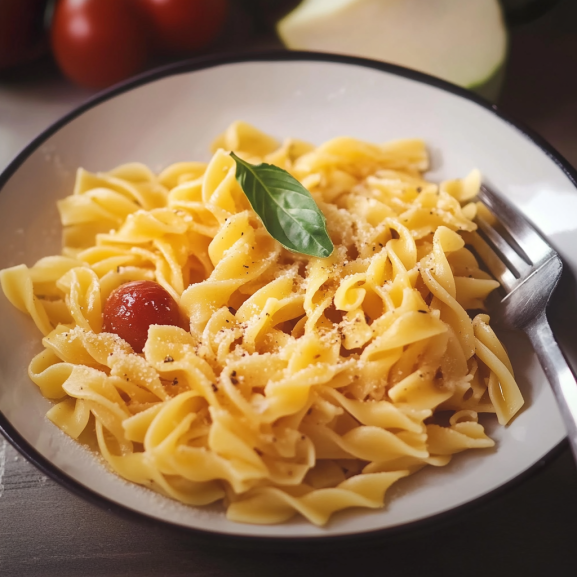
Keto pasta made with low-carb noodles tossed in a creamy Alfredo sauce and topped with Parmesan cheese.

However, as I delved deeper into the world of keto, I discovered that there are plenty of alternatives that can satisfy my cravings without derailing my dietary goals. The keto diet focuses on high-fat, moderate-protein, and very low-carb intake, which means traditional pasta made from wheat is off the table. But fear not!

Numerous creative substitutes can mimic the texture and taste of pasta while keeping your carb count low. One of my favorite alternatives is zucchini noodles, or “zoodles,” which I first tried at a local restaurant. I was pleasantly surprised by how well they absorbed flavors and how gratifying they were when tossed with a rich sauce. 

Another option that has become a staple in my kitchen is shirataki noodles, made from konjac yam. These noodles are virtually calorie-free and have a unique texture that can be quite enjoyable when prepared correctly. As I experimented with these alternatives, I realized that making keto-friendly pasta at home could be both fun and rewarding, allowing me to indulge in my favorite dishes without the guilt.

Key Takeaways

  • Allowing the keto-friendly pasta to cook too much can cause it to become mushy.Be sure to follow the recommended cooking time and test the pasta for doneness frequently.
  • Using too much almond or coconut flour in the pasta dough can make it dry and crumbly. Follow the recipe measurements carefully and adjust as needed for the right consistency.
  • Not allowing the pasta dough to rest before rolling it out can make it difficult to work with and result in uneven texture. Take a breather and let the dough sit for at least 30 minutes to ease the gluten.
  • Adding too much sauce or heavy toppings to the keto-friendly pasta can increase the calorie and carb content, defeating the purpose of a keto-friendly meal. Use lighter sauces and toppings in moderation.
  • Neglecting to properly store the leftover keto-friendly pasta can cause it to dry out and become unappetizing. Store the pasta in an airtight container in the refrigerator and reheat gently with a splash of water or broth to maintain its texture.

Essential Ingredients and Tools for Making Keto-Friendly Pasta

To embark on my journey of making keto-friendly pasta, I quickly learned that having the right ingredients and tools is crucial. The primary ingredient I found to be essential is almond flour. It’s low in carbs and high in healthy fats, making it a perfect base for pasta dough.

I remember the first time I used almond flour; I was amazed at how it transformed my cooking. Alongside almond flour, I also stock up on eggs, which act as a binding agent and add richness to the dough. These days, psyllium husk powder is a must-have ingredient.

This magical powder helps to give the pasta a more traditional texture and elasticity. In terms of tools, a good rolling pin is a must-have for flattening the dough to the desired thickness. I still recall the day I decided to invest in a pasta machine; it was a game-changer!

The machine allowed me to achieve uniform thickness and cut the pasta into various shapes with ease. Use a sharp knife or pizza cutter to slice dough into fettuccine or lasagna sheets. With these ingredients and tools at my disposal, I felt empowered to create delicious keto-friendly pasta right in my own kitchen.

Step-by-Step Instructions for Making Keto-Friendly Pasta from Scratch

Making keto-friendly pasta from scratch is an adventure that I thoroughly enjoy. The first step involves combining almond flour and psyllium husk powder in a bowl. I usually start with one cup of almond flour and one tablespoon of psyllium husk powder, mixing them well before adding two beaten eggs.

As I mix everything together, I can feel the dough starting to come together, but it often needs a little extra moisture. A splash of water or olive oil usually does the trick, and soon enough, I have a pliable dough that’s ready to be rolled out. Once the dough is formed, I dust my countertop with a bit of almond flour to prevent sticking and begin rolling it out with my trusty rolling pin.

I aim for about 1/8 inch thickness, which gives the pasta a nice bite when cooked. After rolling it out, I use my pasta machine to cut it into strips for fettuccine or sheets for lasagna. My first homemade pasta lasagna turned out amazing! 

After boiling the pasta for just a few minutes, it was ready to be layered with my favorite fillings and sauces. The satisfaction of creating something so delicious from scratch is truly unmatched.

Creative and Delicious Keto-Friendly Pasta Recipes to Try

Recipe Name Main Ingredients Calories per Serving Net Carbs per Serving
Keto Carbonara Shirataki noodles, bacon, eggs, parmesan cheese 320 4g
Zucchini Noodles with Pesto Zucchini, basil pesto, cherry tomatoes, pine nuts 250 6g
Keto Alfredo with Palmini Pasta Palmini pasta, heavy cream, butter, garlic, parmesan cheese 280 3g
Spaghetti Squash with Meatballs Spaghetti squash, ground beef, marinara sauce, mozzarella cheese 310 7g

Once I had mastered the art of making keto-friendly pasta, I couldn’t wait to experiment with different recipes. One of my go-to dishes is creamy garlic shrimp fettuccine. Succulent shrimp in garlic butter with homemade fettuccine and parmesan is divine. 

Indulgent bites that fit my keto lifestyle. Another recipe that has become a family favorite is zucchini lasagna. Instead of traditional noodles, I use thinly sliced zucchini layered with ricotta cheese, marinara sauce, and mozzarella. 

The first time I served this dish at a family gathering, everyone was shocked when I revealed it was low-carb! It’s amazing how versatile these keto-friendly pastas can be; they can easily adapt to various cuisines and flavors. From spicy Asian-inspired noodle dishes to comforting Italian classics, the possibilities are endless.

What are 5 common mistakes to avoid when making Keto-Friendly Pasta and their solutions?

As with any culinary endeavor, there are pitfalls to avoid when making keto-friendly pasta. One common mistake I’ve encountered is using too much liquid in the dough. When I first started experimenting, I added water liberally, thinking it would help bind everything together.

Instead, it resulted in a sticky mess that was impossible to work with! The solution is to add liquid gradually until you achieve the right consistency—less is often more. A common error is failing to let the dough rest before rolling it out. 

Initially, I was too eager to get started and rolled out the dough immediately after mixing it. This led to pasta that was tough and chewy rather than tender. Now, I always let the dough rest for at least 30 minutes; this allows the psyllium husk to absorb moisture fully and improves the texture significantly.

A third mistake I’ve made is overcooking the pasta. It’s easy to forget that keto-friendly pasta cooks much faster than traditional varieties. The first time I boiled my homemade fettuccine, I left it in for too long and ended up with mushy noodles!

Now, I set a timer for just 2-3 minutes and keep an eye on them to ensure they maintain their perfect al dente texture. Additionally, not seasoning the water can lead to bland pasta. In my early attempts, I neglected this step and found my dishes lacking flavor.

Now, I always add salt to the boiling water before cooking my noodles; it makes a world of difference in enhancing the overall taste. In conclusion, employing inferior ingredients can negatively impact the final outcome. When I first started making keto pasta, I opted for cheaper almond flour without realizing that quality matters.

The texture and flavor were subpar compared to using high-quality almond flour from trusted brands. Investing in good ingredients has elevated my cooking experience immensely. With these tips in mind, I’m excited to continue exploring the world of keto-friendly pasta-making!

Each batch brings new opportunities for creativity and deliciousness while staying true to my dietary goals.


FAQs

What is the keto diet and why isn’t pasta keto-friendly?

The keto diet is a low-carb, high-fat diet that has been shown to help with weight loss and improve overall health. Pasta is not keto-friendly because it is high in carbohydrates, which can disrupt ketosis, the metabolic state the keto diet aims to achieve.

What are keto-friendly pasta alternatives?

Zucchini noodles (zoodles), spaghetti squash, shirataki noodles, and konjac noodles are some typical pasta replacements for the keto diet. These alternatives are lower in carbohydrates and can be used to create keto-friendly pasta dishes.

What are the essential ingredients and tools for making keto-friendly pasta at home?

Essential ingredients for making keto-friendly pasta at home include almond flour, coconut flour, psyllium husk powder, xanthan gum, and eggs. Tools such as a pasta maker or rolling pin, and a sharp knife are also essential for making keto-friendly pasta from scratch.

What are the common mistakes to avoid when making keto-friendly pasta?

Some common mistakes to avoid when making keto-friendly pasta include using the wrong type of flour, not allowing the dough to rest, rolling the dough too thin, overcooking the pasta, and not adding enough flavor to the pasta. Solutions to these mistakes include using the correct keto-friendly flours, allowing the dough to rest for the recommended time, rolling the dough to the appropriate thickness, considering the cooking duration, and incorporating tasty ingredients to elevate the flavor of the pasta.

What are some creative and delicious keto-friendly pasta recipes to try?

Explore some inventive and tasty keto pasta dishes like zoodle carbonara, creamy garlic shrimp with spaghetti squash, chicken alfredo using shirataki noodles, and zucchini noodles with pesto.These recipes offer a variety of flavors and textures while staying true to the keto diet.

What are some tips for making the perfect keto-friendly pasta from scratch?

Some tips for making the perfect keto-friendly pasta from scratch include using the right combination of keto-friendly flours, allowing the dough to rest, rolling the dough to the desired thickness, being mindful of cooking time, and experimenting with different flavors and sauces to enhance the overall dish.

The Ultimate Guide to Making Keto-Friendly Pasta at Home

Essential Ingredients for Keto-Friendly Pasta Dough:

  • 1 cup Almond flour
  • 2 Eggs
  • 1 tbsp Psyllium husk powder
  • Olive oil or water (a splash, as needed)

Keto-Friendly Pasta Alternatives & Recipe Ingredients

  • Zucchini for "zoodles"
  • 1 package Shirataki noodles (1 package, konjac-based)
  • 1 can Palmini pasta (1 can, hearts of palm-base)
  • 1 medium Spaghetti squash
  • Bacon (4 slices, for carbonara)
  • ½ cup grated Parmesan cheese
  • ¼ cup, Heavy cream ( for Alfredo sauce)
  • 2 tbsp Butter
  • 2 cloves Garlic
  • ½ cup Cherry tomatoes
  • 2 tbsp Pine nuts
  • 1 lb Ground beef (for meatballs)
  • 1 cup Marinara sauce
  • 1 cup Mozzarella cheese ( shredded)
  • 3 tbsp Basil pesto
  • Salt (to taste)

Mix dry ingredients:

  1. In a bowl, combine 1 cup almond flour and 1 tbsp psyllium husk powder. Mix thoroughly before adding 2 beaten eggs.

Form the dough

  1. Incorporate the eggs into the dry mixture. If the dough feels too dry, add a splash of water or olive oil until it reaches a pliable, workable consistency.

Roll out the dough

  1. Dust a clean surface with almond flour to prevent sticking. Use a rolling pin to flatten the dough to about 1/8 inch (3 mm) thickness.

Shape the pasta

  1. Run the dough through a pasta machine to create fettuccine strips or lasagna sheets. For lasagna, layer the sheets with your favorite fillings (e.g., low-carb marinara, ricotta, and mozzarella).

Cook the pasta

  1. Boil the pasta in salted water for 2–3 minutes (avoid overcooking to prevent mushiness). Drain and toss with a light sauce.

Final tip

  1. For keto lasagna, alternate layers of pasta, low-carb marinara sauce, ricotta, and mozzarella, then bake until the cheese is bubbly and golden.

Tangy and Delicious: How to Make Keto Orange Chicken at Home


Keto orange chicken is a delightful dish that offers a myriad of benefits, especially for those following a ketogenic diet. This flavorful and tangy dish provides a satisfying alternative to traditional orange chicken, without the guilt of consuming excessive carbohydrates. Low-carb orange chicken uses low-carb ingredients and natural sweeteners for a tasty meal within dietary limits. 

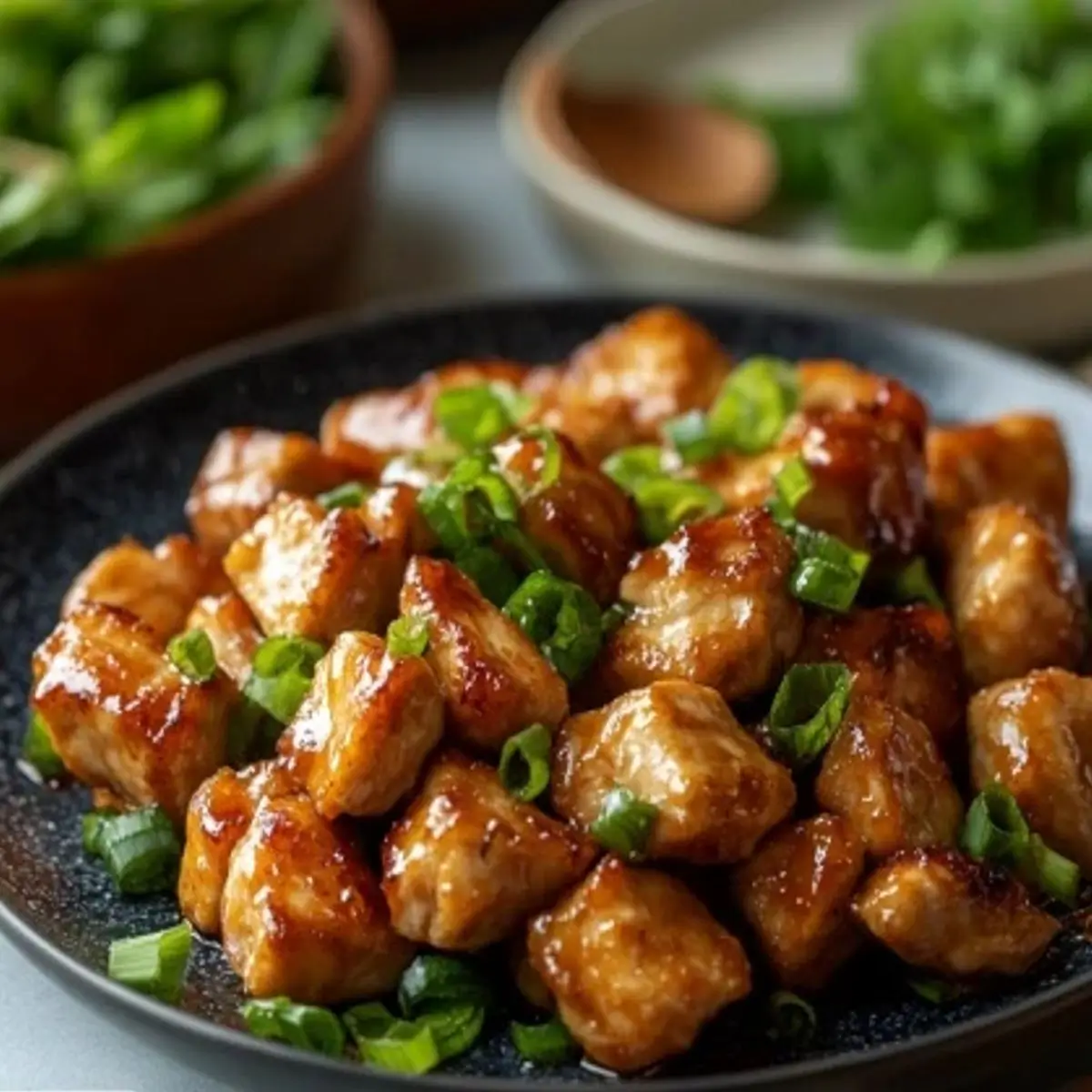
A plate of keto orange chicken garnished with sesame seeds and green onions, served with a side of cauliflower rice


Additionally, the incorporation of protein-rich chicken ensures that this dish is not only tasty but also satiating, making it an excellent choice for those looking to maintain a healthy and balanced diet. Fresh orange zest and juice in low-carb orange chickenoffer a vitamin C boost for immune support. The dish also offers a delightful combination of flavors, with the tanginess of the orange complementing the savory notes of the chicken.

Overall,sugar-free orange chicken presents a delectable way to enjoy a classic dish while adhering to a low-carb lifestyle.

Key Takeaways

  • Overcooking the chicken: To avoid this, make sure to cook the chicken just until it’s no longer pink in the middle, and remove it from the heat to prevent it from becoming tough and dry.
  • Using too much sweetener: Instead of adding too much sweetener, start with a small amount and adjust to taste. This action will avert the dish from acquiring an overly sweet flavor..
  • Not marinating the chicken: Marinating the chicken in the orange sauce helps infuse it with flavor and tenderize the meat. Make sure to marinate for at least 30 minutes before cooking.
  • Using high-carb ingredients: Be mindful of the ingredients you use, such as using low-carb sweeteners and coconut aminos instead of soy sauce to keep the dish keto-friendly.
  • Not thickening the sauce enough: If the sauce is too thin, mix a small amount of xanthan gum or arrowroot powder with water and stir it into the sauce to thicken it to the desired consistency.

Ingredients for Keto Orange Chicken

Essential Protein and Coatings

These include boneless, skinless chicken thighs or breasts, almond flour or coconut flour for coating the chicken, and eggs for binding.

Flavorful Oils and Sweeteners

Avocado oil is used for frying, while fresh oranges provide their zest and juice. Low-carb sweeteners such as erythritol or stevia help achieve the characteristic sweetness without added sugar.

Aromatic Flavors and Gluten-Free Substitutes

The recipe calls for tamari or aminos as a substitute for soy sauce, ensuring the dish remains gluten-free and low in carbohydrates. Other essential ingredients include garlic, ginger, and green onions to infuse the dish with aromatic flavors. By carefully selecting these ingredients, you can create a keto-friendly version of orange chicken that is both delicious and compliant with your dietary goals.

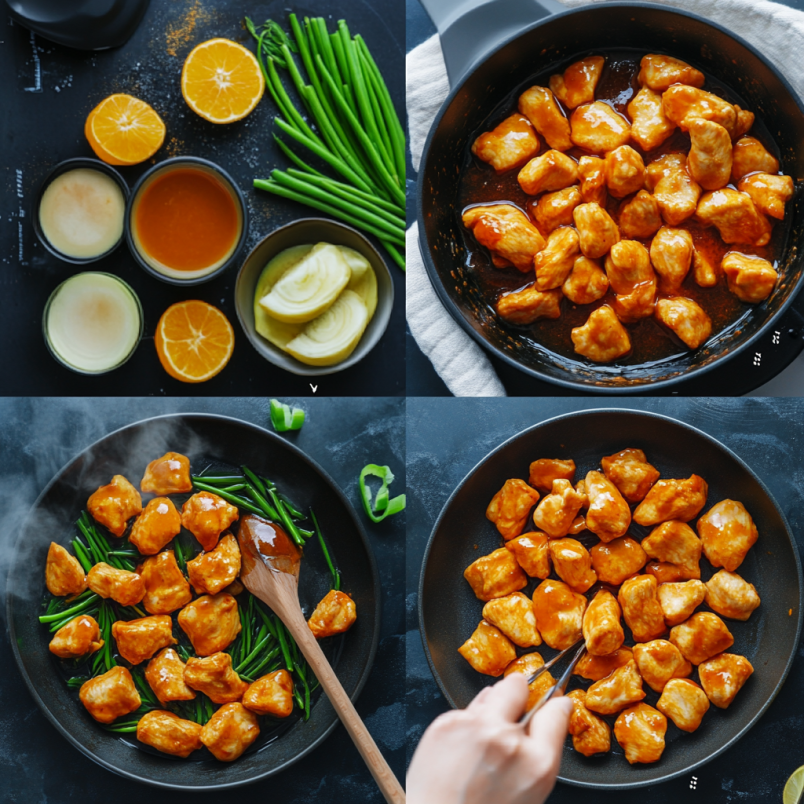
Fresh ingredients for chicken orange keto, presented on a kitchen countertop.


Step-by-Step Instructions for Making Keto Orange Chicken


To begin preparing ketogenic orange chicken, start by cutting the chicken into bite-sized pieces and coating them in a mixture of almond or coconut flour. Next, dip the coated chicken pieces into beaten eggs to create a binding layer before frying them in avocado oil until they are golden brown and crispy. Mix orange juice, zest, sweetener, tamari, garlic, and ginger for a sauce.. 

Once the sauce has thickened slightly, add the fried chicken pieces to the pan and toss them until they are evenly coated with the tangy orange sauce. In conclusion, embellish the dish with sliced green onions to provide a vibrant touch of color and an extra layer of flavor. This step-by-step process ensures that you achieve perfectly cooked low-carb orange chicken with a delightful balance of textures and flavors.

Tips for Achieving the Perfect Tangy Flavor

TipDescription
Use CitrusAdd lemon or lime juice to bring a tangy flavor to your dish.
VinegarAdd a dash of vinegar, like apple cider or white vinegar, for a zesty flavor boost..
Yogurt or ButtermilkFor creamy dishes, consider adding yogurt or buttermilk for a tangy taste.
SpicesExperiment with tangy spices like sumac, tamarind, or mustard to enhance the flavor.

When preparing keto orange chicken, there are several tips to keep in mind to ensure that you achieve the perfect tangy flavor characteristic of this dish. Firstly, it is essential to use fresh oranges and zest to infuse the dish with vibrant citrus notes. Additionally, adjusting the amount of low-carb sweetener and tamari or coconut aminos allows you to tailor the sweetness and saltiness of the sauce to your preference.

Furthermore, taking care not to overcook the sauce ensures that it retains its bright and tangy flavor without becoming overly caramelized or bitter. Lastly, incorporating aromatic ingredients such as garlic and ginger in the right proportions enhances the overall complexity of the dish’s flavor profile. By following these tips, you can elevate your keto-friendly orange chicken to achieve a perfect balance of tanginess and savory goodness.

Serving Suggestions for Keto Orange Chicken


Keto orange chicken pairs wonderfully with a variety of side dishes that complement its flavors and textures. For a complete meal, consider serving it alongside cauliflower rice or zucchini noodles to absorb the delicious sauce. Additionally, a side of steamed broccoli or stir-fried vegetables adds a refreshing crunch and nutritional value to the meal. 

For an extra burst of freshness, garnish the keto orange chicken with additional orange zest and sliced green onions before serving. This not only enhances the visual appeal of the dish but also adds an extra layer of citrusy aroma. By considering these serving suggestions, you can create a well-rounded and satisfying dining experience centered around your homemade keto orange chicken.

FAQ

Q: Can I use chicken breast instead of thighs?
A: Yes! Chicken breast works well, but thighs stay juicier. Adjust cooking time to avoid drying out the meat.

Q: What can I substitute for erythritol?
A: Any keto sweetener like monk fruit, stevia, or allulose will work. Adjust to taste, as sweetness levels vary.

Q: Is coconut aminos necessary, or can I use soy sauce?
A: Coconut aminos keep it keto and gluten-free, but soy sauce works if carbs fit your macros (use tamari for gluten-free).

Q: How do I store leftovers?
A: Refrigerate in an airtight container for up to 3 days. Reheat gently to keep the chicken crispy.

Q: Can I make this without frying?
A: Yes! Bake coated chicken at 400°F (200°C) for 20-25 minutes, then toss in sauce.

Q: Why is my sauce too thin?
A: Simmer longer to reduce, or add ¼ tsp xanthan gum mixed with water to thicken.

Q: Is this recipe spicy?
A: Not by default, but add red pepper flakes or chili garlic paste if you prefer heat.

Q: Can I freeze keto orange chicken?
A: Yes, but the coating may lose crispiness. Freeze sauce separately for best results.

Q: What sides pair well with this dish?
A: Cauliflower rice, steamed broccoli, or zucchini noodles keep it low-carb.

Q: How do I prevent the chicken from getting soggy?
A: Serve immediately after coating in sauce, or drizzle sauce lightly over crispy chicken.

What are 5 common mistakes to avoid when making Keto Orange Chicken and their solutions?

1. Using pre-packaged orange juice: One common mistake is using pre-packaged orange juice instead of freshly squeezed juice. Pre-packaged juices often contain added sugars and preservatives that are not suitable for a keto diet. Solution: Always use freshly squeezed orange juice to ensure that your keto orange chicken remains low in carbohydrates and free from unnecessary additives. 

2.Overcooking the chicken: Overcooking the chicken can result in dry and tough meat, detracting from the overall enjoyment of the dish. Solution: Monitor the cooking time closely and remove the chicken from the heat once it is golden brown and crispy on the outside while remaining tender on the inside.

3. Not adjusting sweetness and saltiness: Failing to adjust the sweetness and saltiness of the sauce can lead to an imbalanced flavor profile. Solution: Taste the sauce as you prepare it and adjust the amount of low-carb sweetener and tamari or coconut aminos to achieve the desired level of sweetness and saltiness.

4. Using high-carb thickeners: Thickening the sauce with high-carb thickeners such as cornstarch can significantly increase the carbohydrate content of the dish. Solution: Use low-carb thickeners such as xanthan gum or glucomannan powder to achieve a thickened sauce without compromising its keto-friendly nature.

5. Skipping the marinating step: Skipping the marinating step can result in less flavorful chicken pieces. Marinating allows the flavors to penetrate the meat, enhancing its overall taste. Solution: Marinate the chicken pieces in a mixture of tamari or coconut aminos, garlic, and ginger for at least 30 minutes before coating and frying them. 

By avoiding these common mistakes and implementing the suggested solutions, you can ensure that your keto orange chicken turns out perfectly delicious and compliant with your dietary requirements.

Keto Orange Chicken Recipe: A Low-Carb Twist on a Classic Favorite

Discover a delicious low-carb twist on classic orange chicken! This keto-friendly recipe delivers crispy, tangy, and flavorful bites without the extra carbs

Essential Protein & Coatings

  • 1.5 lbs boneless, skinless chicken thighs or breasts (cut into 1-inch pieces)
  • ½ cup almond flour or coconut flour
  • 2 large eggs (beaten, for binding)

Sauce & Flavorings

  • Zest and juice of 1 large orange (½ cup juice + 1 tbsp zest)
  • 2 tbsp low-carb sweetener (erythritol or allulose blend)
  • ¼ cup coconut aminos or tamari (gluten-free soy substitute)
  • 2 cloves garlic (minced)
  • 1 tbsp fresh ginger (grated)
  • 2 tbsp avocado oil (for frying)

Aromatics & Garnish

  • 2 green onions (sliced, for garnish)
  • Optional: ½ tsp xanthan gum (to thicken sauce if needed)
  • Salt & red pepper flakes (to taste)

Prepare the Chicken

  1. Cut boneless, skinless chicken thighs or breasts into bite-sized pieces.

Coat the Chicken

  1. Dip chicken pieces into beaten eggs, then coat evenly with almond flour or coconut flour.

Fry the Chicken

  1. Heat avocado oil in a pan over medium-high heat.
  2. Fry coated chicken pieces until golden brown and crispy. Remove and set aside.

Make the Sauce

  1. In the same pan, combine:
  2. Fresh orange juice and zest.
  3. Low-carb sweetener (erythritol/stevia).
  4. Tamari or coconut aminos.
  5. Minced garlic and grated ginger.
  6. Simmer until slightly thickened (optional: add xanthan gum for thicker sauce).

Combine Chicken & Sauce

  1. Return fried chicken to the pan. Toss until fully coated in the sauce.

Combine Chicken & Sauce

  1. Top with sliced green onions.
  2. Serve with cauliflower rice or zucchini noodles.
Main Course
American

Easy Keto Stir Fry Recipe for Busy Weeknights


The ketogenic (keto) diet is a low-carb, high-fat diet that has gained popularity for its potential health benefits, including weight loss and improved blood sugar control. The diet focuses on consuming foods that are rich in fat, average in protein, and minimal in carbohydrates. When in ketosis, the body converts fat into energy instead of relying on carbohydrates.


As a result, individuals following the keto diet often seek out recipes that are low in carbs and high in healthy fats. Stir fry is a Chinese cooking method using high heat and a small amount of oil.This method is well-suited for the keto diet as it allows for the incorporation of a variety of low-carb vegetables, high-quality proteins, and healthy fats.

By understanding the key elements of the ketogenic eating plan and the versatility of stir fry, individuals can create delicious and satisfying meals that align with their dietary goals.

Key Takeaways

  • Understanding the Keto Diet and Stir Fry: Keto diet is a low-carb, high-fat diet that can be easily incorporated into stir fry recipes.
  • Selecting the Perfect Ingredients for Your Keto Stir Fry: Opt for low-carb vegetables, high-quality protein, and healthy fats like avocado oil or coconut oil.
  • Guidelines for Making and Cooking Keto Stir Fry: Cut ingredients into same sizes for balanced cooking and use high heat for a quick stir fry.
  • Enhancing Flavor in Keto Stir Fry: Use keto-friendly sauces and seasonings like soy sauce, fish sauce, or garlic to add depth of flavor.
  • Avoiding Common Mistakes in Keto Stir Fry: Overcooking vegetables, using high-carb sauces, and not properly seasoning can all be avoided with proper attention to detail.

Picking the Best Ingredients for Keto Stir Fry

Vegetables: The Fiber-Rich Foundation

For a keto-friendly stir fry, make sure to go for ingredients that are low in carbs and full of nutrients. Non-starchy vegetables such as broccoli, bell peppers, cauliflower, zucchini, and spinach are excellent choices for adding fiber and essential vitamins to the dish without significantly increasing the carb content.

Protein Sources for Satiety and Muscle Health

Additionally, lean proteins like chicken, beef, shrimp, or tofu can be included to provide satiating and muscle-nourishing benefits.

Fats: The Keto-Friendly Cooking Essentials

In terms of fats, keto-friendly options such as avocado oil, coconut oil, or ghee can be used for cooking and flavor enhancement. These healthy fats not only contribute to the richness of the stir fry but also support the body’s fat-burning process while keeping the meal within the parameters of the keto diet.

Creating a Nutritious and Compliant Keto Stir Fry

By carefully selecting the right ingredients, individuals can ensure that their keto stir fry is both nutritious and compliant with their dietary objectives.

Keto Stir Fry Prep & Cooking Tips


To attain the ideal keto stir fry, it is crucial to prepare and cook the ingredients in a manner that preserves their flavors and textures while minimizing the carb content. An efficient technique is to slice the vegetables and protein into uniform pieces for consistent cooking results.. This not only enhances the visual appeal of the dish but also promotes consistent doneness throughout.

When cooking the stir fry, it is important to use high heat and minimal cooking time to prevent the vegetables from becoming mushy and to retain their natural crunch. Additionally, incorporating aromatics such as garlic, ginger, or shallots can elevate the dish’s overall taste profile without incorporating extra carbohydrates. By following these tips for preparation and cooking, individuals can create a keto stir fry that is visually appealing, flavorful, and true to the principles of the ketogenic diet.

Enhancing Flavor in Keto Stir Fry

Flavor Enhancing IngredientEffect
GarlicAdds savory depth
GingerProvides a spicy and aromatic flavor
Soy Sauce (or alternative)Brings salty and umami taste
Sesame OilImparts nutty and rich flavor
Chili FlakesBrings heat and complexity


The enhancement of flavor is a vital component in crafting a delectable keto stir fry.While traditional stir fry sauces often contain sugar or high-carb thickeners, People on the keto diet can use different ingredients to enhance flavor while still meeting their dietary objectives. For example, incorporating low-sodium soy sauce, coconut aminos, or fish sauce can provide umami richness without significantly increasing the carb content.

Furthermore, adding fresh herbs and spices such as cilantro, basil, cumin, or chili flakes can impart complexity and depth to the dish without contributing excess carbohydrates. Additionally, finishing the stir fry with a drizzle of sesame oil or a sprinkle of toasted sesame seeds can lend a nutty aroma and flavor that elevates the overall eating experience. By employing these flavor-enhancing techniques, individuals can ensure that their keto stir fry is both satisfying and bursting with deliciousness.

Avoiding Common Mistakes in Keto Stir Fry


While preparing keto stir fry, it is important to be mindful of common mistakes that can compromise the integrity of the dish. One common error is overcrowding the pan or wok with too many ingredients, which can lead to steaming rather than searing. To avoid this, it is advisable to cook the ingredients in batches, allowing each portion to come into direct contact with the hot surface for optimal caramelization and flavor development.

Another mistake to avoid is overcooking the proteins, which can result in tough and dry textures. To prevent this, it is essential to monitor the cooking time closely and remove the proteins from the heat once they are just cooked through. Additionally, using high-carb thickeners or sweeteners in sauces should be avoided to maintain the low-carb nature of the keto stir fry.

By being mindful of these common mistakes and implementing appropriate solutions, individuals can ensure that their keto stir fry turns out perfectly every time.

Serving and Pairing Keto Stir Fry

Serving Suggestions

Once the keto stir fry is prepared, serving it with complementary elements can elevate the overall dining experience. Serving the stir fry over cauliflower rice or shirataki noodles provides a satisfying base while keeping the meal low in carbohydrates. Moreover, adding fresh herbs or a splash of lime as a garnish can enhance the dish by bringing brightness and contrast to the flavors.

Pairing Options

In terms of pairing, light-bodied white wines such as Sauvignon Blanc or Pinot Grigio can complement the flavors of a vegetable-based keto stir fry without adding excessive carbohydrates. Alternatively, sparkling water infused with citrus or herbs can serve as a refreshing and hydrating beverage option.

Elevating the Dining Experience

By considering serving and pairing options thoughtfully, individuals can elevate their keto stir fry meal into a well-rounded and enjoyable dining experience.

Making Keto Stir Fry Meal Prep Easy


To streamline meal preparation on a keto diet, incorporating batch cooking and meal prepping techniques can be highly beneficial. When planning for keto stir fry meal prep, individuals can pre-cut vegetables and portion out proteins in advance to expedite the cooking process during busy weekdays. Additionally, preparing a large batch of keto-friendly stir fry sauce and storing it in portioned containers can save time and effort when assembling future meals.

Furthermore, investing in quality storage containers that are suitable for both refrigeration and freezing can help maintain the freshness of prepped ingredients and cooked stir fry portions. By making use of these meal prep strategies, individuals can ensure that they have convenient access to delicious and compliant keto stir fry meals throughout the week. In conclusion, mastering the art of creating the perfect keto stir fry involves understanding the principles of the keto diet, selecting appropriate ingredients, employing effective cooking techniques, enhancing flavors thoughtfully, avoiding common mistakes, serving and pairing strategically, and making meal prep seamless.

By following these tips and tricks for success, individuals can enjoy flavorful and satisfying keto stir fry meals that align with their dietary objectives while supporting their overall well-being.

FAQs

What is the keto diet and how does stir fry fit into it?

The keto diet is a low-carb, high-fat diet that has been shown to help with weight loss and improve overall health. Stir fry can fit into the keto diet by using low-carb vegetables, high-quality protein, and healthy fats to create a delicious and satisfying meal.

Which ingredients are suitable for a keto stir fry?

The right ingredients for keto stir fry include low-carb vegetables such as broccoli, bell peppers, and cauliflower, high-quality protein such as chicken, beef, or tofu, and healthy fats such as coconut oil or avocado oil.

What are some tips for preparing and cooking keto stir fry?

Some tips for preparing and cooking keto stir fry include cutting all ingredients into similar sizes for even cooking, using high heat and a large skillet or wok for quick Preparing a meal by following the correct sequence of adding ingredients to achieve perfect cooking results.

What are some ways to boost the taste of my keto stir fry?

You can enhance the flavor of your keto stir fry by using fresh herbs and spices, adding a splash of low-carb sauce such as soy sauce or coconut aminos, and topping off the dish with a splash of fresh lemon or lime juice.

What are some common mistakes to avoid when making keto stir fry?

Some common mistakes to avoid when making keto stir fry include overcooking the vegetables, using too much sauce or sweeteners, and overcrowding the pan which can lead to steaming instead of stir-frying.

How can I make keto stir fry meal prep easier?

You can make keto stir fry meal prep easier by prepping and cutting all the ingredients ahead of time, storing them in separate containers, and having all the sauces and seasonings ready to go.

What are 5 common mistakes to avoid when making keto stir fry and their solutions?

1. Overcooking the vegetables – Solution: Cook the vegetables for a shorter amount of time to retain their crunch and nutrients. 2. Applying too much sauce or sweeteners – Solution: Select low-carb sauces and sweeteners and limit their use to avoid adding extra carbs. 3. Overcrowding the pan – Solution: Cook the ingredients in batches to ensure they are properly stir-fried and not steamed. 4. Not using enough seasoning – Solution: Use a variety of herbs and spices to enhance the flavor of the stir fry. 5. Using low-quality ingredients – Solution: Use high-quality, fresh ingredients to ensure the best flavor and nutritional value in your keto stir fry.

Easy Keto Stir Fry Recipe for Busy Weeknights (12 minutes!)

This keto stir-fry is a lightning-fast, 12-minutes dinner packed with juicy chicken, crisp veggies, and a bold low-carb sauce—perfect for busy nights without the carbs!

  • 1 pound chicken breast choppe
  • 1 tbsp almond flour or coconut flour
  • 1 tbsp oil ((e.g., avocado, olive))
  • 2 cloves garlic minced
  • 1/2 inch ginger minced
  • 1 small small onion chopped
  • 1 head head broccoli chopped
  • 1 large bell pepper chopped

Sauce Components

  • 1 batch keto stir fry sauce
  • 1 tbsp sesame oil
  • 2 tbsp  chili sauce ((adjust for spice))

Prepare the Sauce & Coat Chicken

  1. In a small bowl, combine the stir fry sauce, sesame oil, and chili sauce. Whisk until smooth and set aside.
  2. Toss the chopped chicken in almond flour in a separate bowl until evenly coated.

Cook the Chicken:

  1. Heat oil in a non-stick pan or wok over medium heat. Add the coated chicken and sauté for 4-5 minutes until lightly browned and nearly cooked through. Transfer to a plate and set aside.

Cook the Flavors & Veggies:

  1. In the same pan, add minced garlic and ginger. Stir-fry for 1-2 minutes until fragrant.
  2. Toss in the vegetables and cook for 3-4 minutes until slightly tender but still crisp.

Combine & Thicken:

  1. Return the chicken to the pan. Pour the reserved sauce over the mixture and stir to coat.
  2. Simmer for 2-3 minutes until the sauce thickens and clings to the ingredients. Remove from heat and serve immediately.
Main Course
American